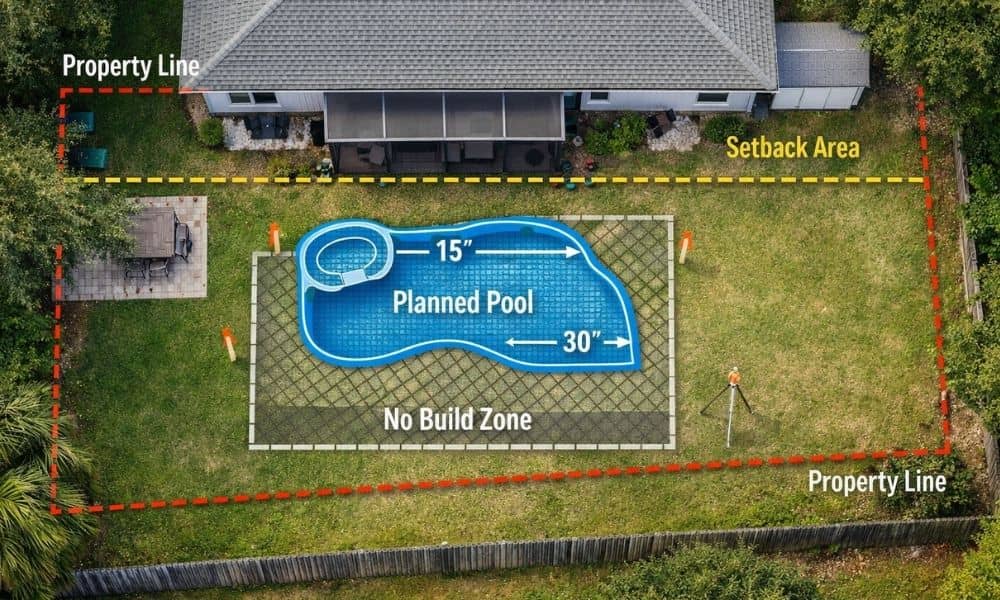
You picture it clearly. A clean pool. Maybe a small deck. A place to relax after a long day. Then things slow down. The design looks great on paper, but the permit process drags. The layout needs changes. The contractor starts asking about space, setbacks, and where everything will actually fit. That catches a lot of homeowners off guard. The issue starts early. Most people design first and check the property later. In Orlando, that order leads to delays, extra costs, and a lot of backtracking. That’s where land surveying comes in. Starting with a land survey before building a pool helps you understand your lot first, so you’re not trying to fix problems after the design is already done.
You see what fits, what doesn’t, and where the pool can go. Without that, you’re guessing.
A Backyard Isn’t Always Fully Usable
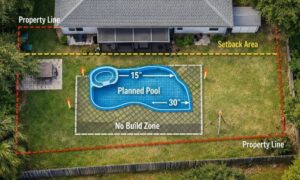
A yard may look wide and open. Still, not all of that space is fair game for building.
Setback rules limit how close you can build to the edges of your property. Some areas are off-limits, and features like patios or driveways already take up space.
This is where it gets tricky.
A pool design might seem like it fits perfectly at first. Then later, you find out only part of the yard actually works for construction. That means changing the size or shifting the layout.
If you look at a land survey of your property early on, it’s easier to see what you’re really working with. You can plan around the actual space instead of making changes later.
What Land Surveying Shows Before You Design
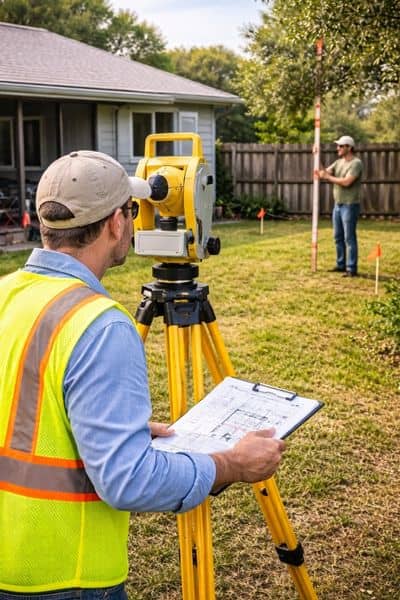
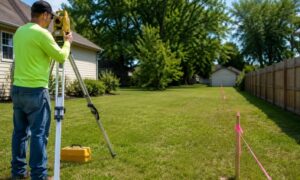
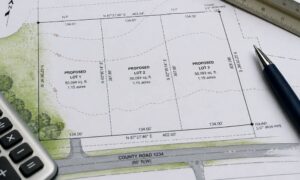
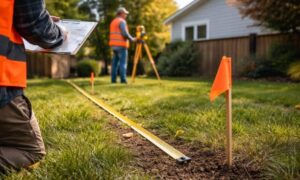
A survey does more than mark lines. It gives you a working layout of your property.
First, it shows the true buildable space. That helps you know where a pool can go without breaking local rules.
Next, it shows limits that aren’t obvious. Some lots have areas where you can’t build. These zones don’t stand out when you walk the yard, but they matter during planning.
It also shows how your house sits on the lot. That affects how much room you have behind or beside it. A pool needs to fit around what already exists.
All of this shapes the design before you spend money on drawings.
Designing First Leads to Expensive Changes
A lot of pool projects follow the same path.
The homeowner hires a builder. The builder creates a design. Everything looks perfect.
Then a survey comes in later.
That’s when the issues show up. The pool may sit too close to a limit. The layout may not fit the actual space. The design has to change.
That means going back to the drawing board. Plans get revised. Timelines stretch. Costs go up.
It feels frustrating because the problem could have been avoided.
When land surveying comes first, the design already fits the property. You skip that back-and-forth.
Why Orlando Projects Need Extra Attention
Orlando keeps growing. New builds and home upgrades happen all the time. That also means tighter rules and more detailed reviews during approval.
Even small projects get a closer look now.
A pool might seem simple, but it still needs to follow local guidelines. The layout must match the property details. If something doesn’t line up, the process slows down.
A survey helps your plans match the real conditions of your lot. That makes it easier for contractors to move forward without delays.
How Land Surveying Helps Your Project Move Faster
Time matters once a project starts.
Contractors want clear layouts. Designers want accurate measurements. Permits move quicker when everything lines up.
A survey supports all of that.
It gives exact dimensions. It shows where structures can go. It helps avoid guesswork.
Because of that, the project flows better from design to approval to construction.
Instead of fixing problems late, you prevent them early.
When You Should Get a Survey
Timing makes a big difference.
The best time to schedule land surveying is before you finalize your pool design. That way, the design works with the property from day one.
It also helps to get it done before you submit anything for approval. That reduces the chance of revisions.
Waiting too long creates risk. Once plans are set, changes cost more.
Starting with a survey keeps things simple.
Who Should Pay Attention to This
Some homeowners feel the impact more than others.
If your yard isn’t very large, every foot matters. A small shift in placement can affect the entire design.
If your lot has an unusual shape, planning gets harder. Straightforward designs may not fit the space.
If your home already has outdoor features, space becomes limited. A pool has to work around those features.
In these cases, land surveying makes a big difference early on.
Saving Money Starts With Better Planning
A survey may feel like an extra step.
It’s not.
It helps avoid redesign fees. It cuts down on delays. It keeps your project moving forward without surprises.
Those savings add up fast.
A pool is a major investment. It makes sense to plan it with accurate information from the start.
Start With the Lot, Then Design the Pool
A pool should fit your property, not fight against it.
That’s the key idea.
When you begin with land surveying, you design with confidence. You know what works. You avoid costly changes. You move through the process with fewer delays.
If you’re planning a pool, start with the survey.
It’s a small step that saves time, money, and frustration later.