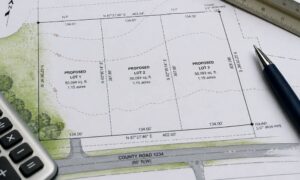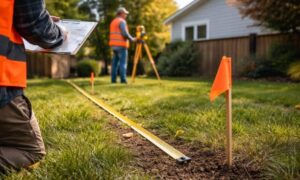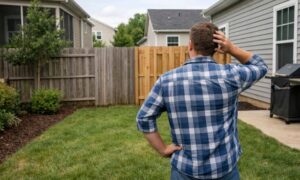
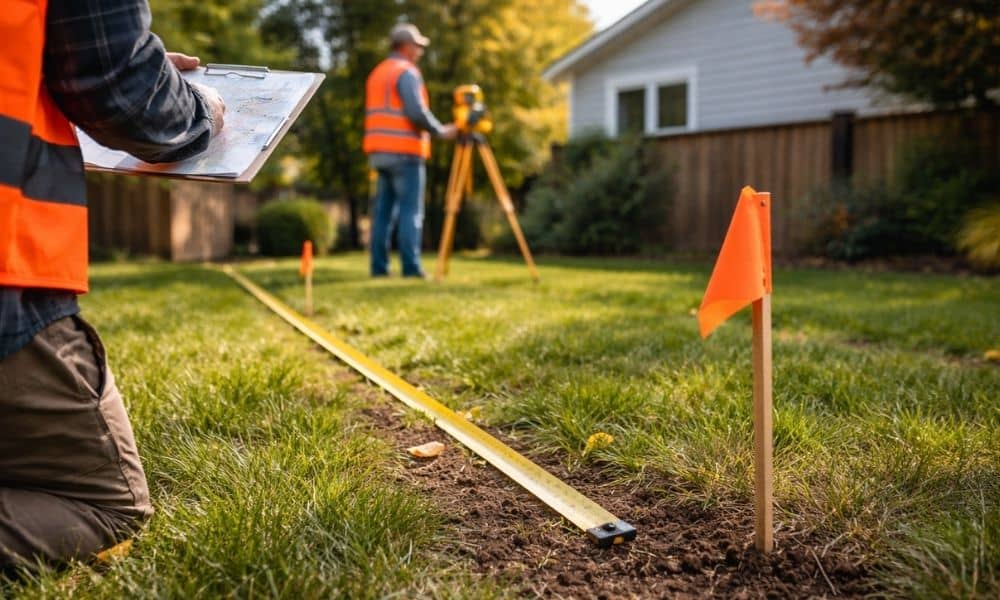
You bought your home a few years ago, and you still have the survey from closing. It shows your lot, your house, and the lines around it. So you’re covered, right? Not always. A survey only reflects your property at a single moment in time. Things change. Land shifts. People build. Markers disappear. Over time, that document can stop matching what’s actually on the ground. That’s usually when an updated boundary survey starts to make sense. It shows your property as it stands today, not as it did years ago. And in a place like Orlando, that difference matters more than most people think.
Why Old Surveys Stop Being Reliable
A survey doesn’t expire on paper. But in real life, it can lose accuracy.
Start with small changes. A neighbor puts up a fence. You add a shed. A driveway gets widened. None of that may seem like a big deal. Still, each change affects how your property lines relate to what’s around you.
Then there’s time. Corner markers can get buried, moved, or even removed. Grass grows over them. Soil shifts after heavy rain. Construction nearby can disturb them without anyone noticing.
So you end up with a document that looks fine, but no longer matches your lot.
That’s when problems start.
What Happens When You Rely on an Old Survey
At first, nothing seems wrong. You move forward with your plans. Maybe you’re adding a structure. Maybe you’re adjusting your yard layout.
Then something doesn’t line up.
The measurements don’t match what’s on site. A corner marker can’t be found. A contractor pauses work because something looks off.
That’s usually when you pull out your existing boundary survey to double-check what’s actually there. Now you’re stuck: you either guess, which is risky, or stop and figure things out properly.
That delay costs time. It can also cost money, especially if materials or labor are already scheduled.
Orlando Properties Change More Than You Think
Orlando isn’t static. Homes get updated all the time. Yards get reworked. New features show up year after year.
That steady change makes old surveys less reliable.
Some neighborhoods have irregular lot shapes. Others include shared access areas or easements. Those details may not be obvious from an older document.
Weather plays a role too. Heavy rain and soft soil can shift markers just enough to create confusion. You may not see it, but it affects accuracy.
So even if your survey looked perfect at closing, it might not reflect what’s there today.
What a New Boundary Survey Actually Confirms
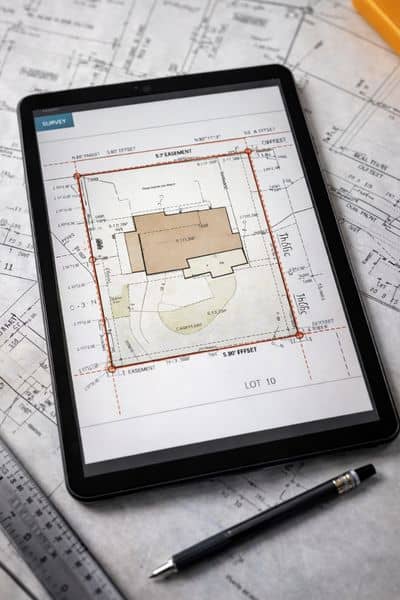
A new boundary survey doesn’t just redraw your lot. It verifies what’s real on the ground.
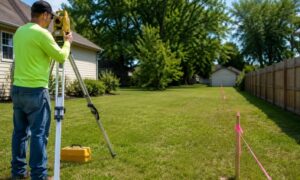
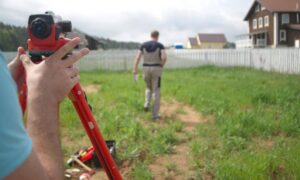
It checks your property corners and marks them clearly. It measures your boundaries based on current conditions. It compares your lot to nearby features like fences, driveways, and structures.
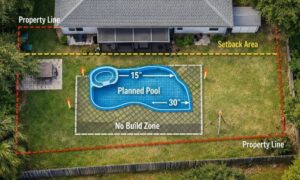
It also shows if anything crosses a boundary. That includes small issues that can turn into big ones later.
You’re not guessing anymore. You’re working with up-to-date information.
Clear Signs You May Need a New Survey
Some situations make the decision easier.
You might need a new boundary survey if:
- You can’t find your property corners
- Your lot has changed since the last survey
- You’re planning work near your property line
- Your survey is several years old
- The layout on paper doesn’t match what you see outside
Even one of these can be enough to raise concern.
People often wait until something goes wrong. That’s when the need becomes obvious. By then, the delay had already started.
Can You Still Use Your Closing Survey?
Sometimes, yes.
If your survey is recent, and nothing has changed, it may still work. The key is accuracy. The document must match the current condition of your property.
That’s where most people run into trouble.
They assume nothing has changed, but they haven’t checked. A missing marker or a small shift can make that old survey less useful.
If there’s any doubt, it’s safer to confirm before you move forward.
Why This Matters Before You Start a Project
Timing makes a big difference.
If you check your survey early, you stay in control. You know where your lines are. You avoid surprises. Your plans move forward without interruptions.
If you skip that step, you risk hitting a wall halfway through.
Work pauses. Decisions get rushed. Costs go up.
That’s why many property owners in Orlando choose to verify their boundaries before they begin.
The Cost of Waiting Too Long
A new boundary survey does cost money. That part is clear.
But waiting can cost more.
Fixing a mistake later often means rework. That could involve moving something that’s already built. It could mean paying for extra labor or materials.
Even small issues add up fast when they’re discovered late.
Getting accurate information early keeps things simple.
When to Call for a Boundary Survey
The best time is before you depend on your property lines.
That could be before a new project. Before changes to your yard. Or when your existing survey doesn’t feel reliable anymore.
You don’t need a problem to justify it. You just need uncertainty.
Clearing that up early gives you confidence in every step that follows.
Final Thought
An old survey can look fine on paper. Still, your property doesn’t stay frozen in time.
If anything has changed, even slightly, that document may not tell the full story anymore.
A boundary survey brings everything back to the present. It gives you clear, accurate lines you can trust.
And when you’re planning work on your property, that clarity makes all the difference.