A piece of land can look flat at first glance. Many property owners think it’s ready for building. Then rain hits. Water sits in one corner. The soil turns soft. Plans suddenly need changes. That’s where lidar mapping comes in. It shows what your eyes miss. More importantly, it shows problems before they turn into delays and extra costs.
Why Low Elevation Areas Cause Trouble
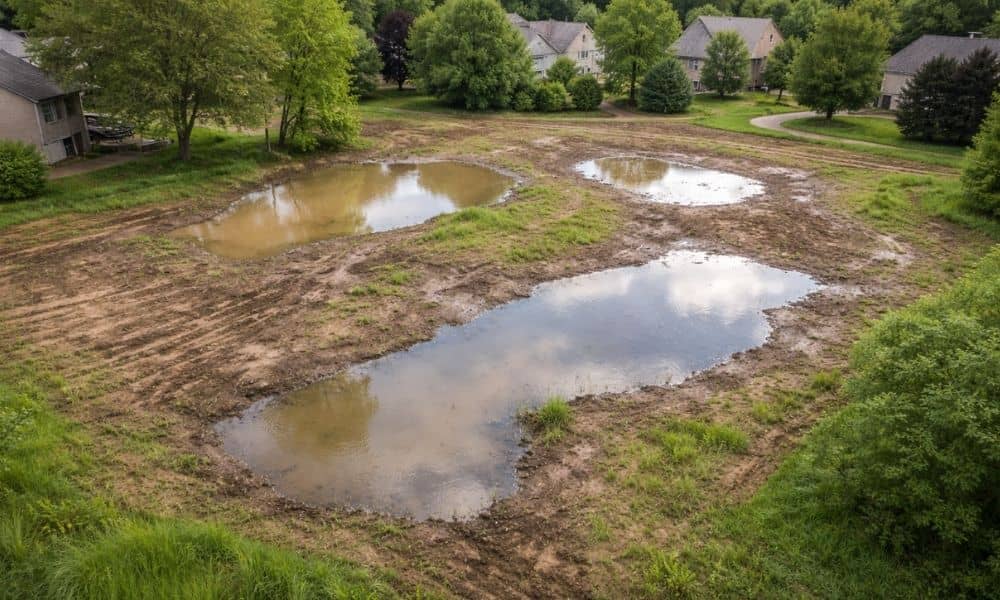
Low spots may seem small, but they can cause real problems. Water always moves to the lowest point, so even a slight dip can collect runoff. Over time, that can lead to pooling, erosion, or even flooding. On a construction site, that’s where things start to go wrong.
Many of these issues don’t show up until review. Engineers take a closer look at drainage. City reviewers check how water moves across the site. That’s usually when those low areas finally stand out. With lidar mapping for low spots, you’re more likely to catch them early instead of dealing with changes later.
That can save time and keep the project moving without added stress.
Why Flat Land Can Be Misleading
Flat land looks simple. It feels easy to build on. Yet small changes in elevation matter more on flat ground than on sloped land.
A difference of just a few inches can affect drainage. Water may not move as expected. Instead, it stays in place.
In places with heavy rain, this becomes a bigger concern. One storm can expose hidden problems fast.
That’s why relying on visual checks alone is risky.
What Lidar Mapping Actually Does
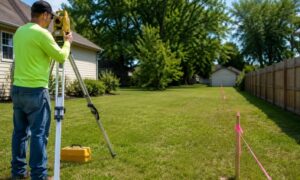
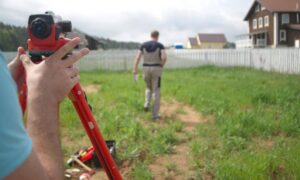
Lidar mapping collects elevation data across the entire site. It doesn’t rely on just a few points. Instead, it gathers thousands of measurements.
This creates a detailed surface model. More importantly, it shows the ground as it really is.
Even areas covered by grass or light vegetation become clear. Small dips and slopes stand out.
So instead of guessing, you get a full picture.
How Lidar Mapping Finds Hidden Low Spots
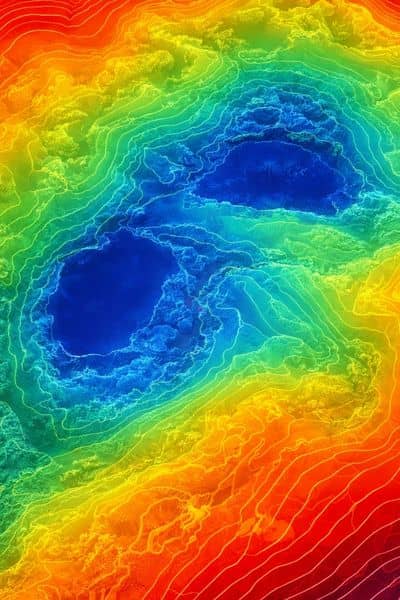
Low elevation areas are often subtle. You won’t notice them unless you study the land closely.
Lidar mapping highlights these areas right away.
It shows:
- Slight depressions where water can collect
- Changes in slope direction
- Natural paths where water flows
Because of this, you can spot problems early. You don’t have to wait for rain or site issues to reveal them.
That changes everything during planning.
What Happens Without Early Elevation Data
Many projects skip detailed elevation checks at the start.
At first, everything looked fine. Plans move forward. Designs get submitted.
Then problems show up.
Drainage doesn’t meet requirements. Water flow doesn’t match the design. Reviewers ask for changes.
Now the team has to adjust grading. Sometimes they need to redesign parts of the site.
That leads to delays. It also adds cost.
In some cases, issues only appear during construction. Fixing them at that stage is even more expensive.
Why Early Lidar Mapping Helps You Plan Better
Using lidar mapping early gives you control.
You see where the land dips. You know how water will move. You can plan grading with real data.
Because of that, your site plan becomes stronger.
You avoid guesswork. You reduce surprises. You also move faster through approvals.
Instead of reacting to problems, you prevent them.
When You Should Use Lidar Mapping
Not every project needs the same level of detail. Still, some situations call for it.
You should consider lidar mapping if:
- The land looks flat but drains poorly
- The site sits in a rainy area
- You plan to build on undeveloped land
- You want to avoid redesign during review
These cases benefit the most from early data.
Why Timing Matters More Than Most People Think
Getting elevation data after design starts is too late.
By that point, decisions are already made. Layouts are set. Drainage plans are in place.
If issues appear, changes affect everything.
However, if you use lidar mapping before design, you work with better information from the start.
That leads to fewer revisions. It also keeps your timeline on track.
A Simple Way to Avoid Expensive Surprises
Most land problems don’t stand out right away. They show up later, when fixing them costs more.
That’s why early insight matters.
Lidar mapping gives you that insight. It shows low elevation areas before they become a problem. It helps you plan with confidence.
If you’re preparing a site plan, it’s one of the smartest steps you can take early on.
Final Thought
Land can look simple, but it rarely is. Small elevation changes shape how a site performs.
Catching those details early makes a big difference.
With lidar mapping, you don’t rely on guesswork. You work with clear data. And that often means fewer delays, lower costs, and a smoother project from start to finish.