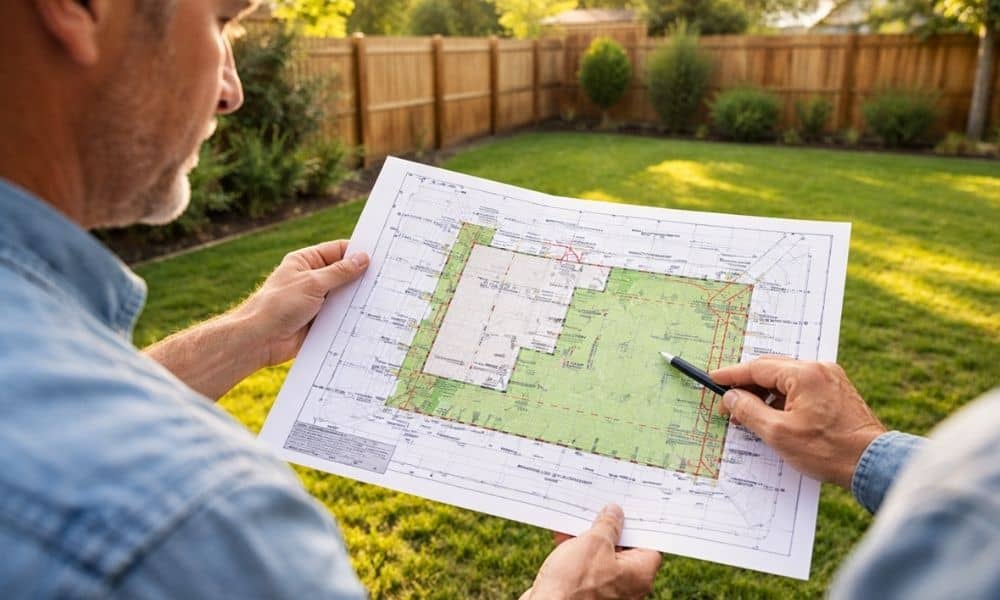
Putting up a fence sounds easy. Most homeowners think it’s a quick project. You pick a design, hire someone, and get started. However, many people run into problems before construction even begins. The issue usually shows up during the permit process. The application gets delayed, or it comes back with comments. Then frustration sets in. At that point, the fence is ready—but the paperwork is not. This happens more often than you think. A lot of it comes down to having a proper property survey ready before you apply, something a residential surveyor would normally help sort out early but often gets overlooked.
Why Fence Permits Catch Homeowners Off Guard
At first glance, building a fence feels simple. It stays inside your yard, so it should not be complicated. However, Orange County requires more than just a basic plan.
The permit process depends on accurate property details. The county needs to see exactly where the fence will go and how it relates to your lot. Because of that, your application must include a clear and usable document that shows your property lines and the fence location.
Many homeowners do not expect this level of detail. So, they submit what they have and hope it works. Unfortunately, that is where delays begin.
The Problem With “Good Enough” Plans
It’s common for homeowners to rely on what they already have. Some pull out an old survey from when they bought the house. Others sketch something out or print a map online. At first, it feels like that should be enough.
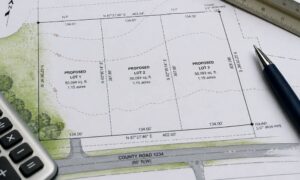
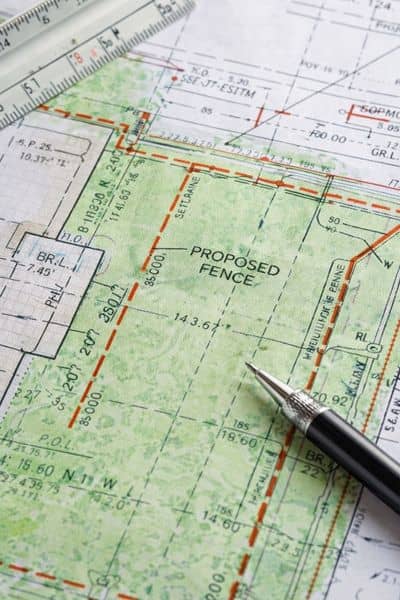
However, permit reviewers need more than a rough idea. They look for clear details—exact distances, defined lines, and a clear way to show where the fence will go, usually through a clearly marked survey showing your fence location. Without that, the application can’t move forward.
Because of that, the permit often gets flagged for revision. Then the homeowner has to update the plan, submit it again, and wait all over. What seemed like a simple shortcut ends up taking more time than expected.
Why an Old Survey Can Still Cause Delays
Many people feel confident once they find their old survey. It shows the property, so it should work. However, that is not always the case.
Over time, things change. You may have added features to your yard. The fence you plan may not appear on that original document. Also, the survey may not be marked in a way that helps the county review your plan.
Because of this, an old survey often lacks the details needed for a fence permit. It is not wrong—it is just not complete for this purpose.
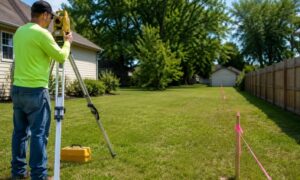
A residential surveyor can take that document and update it. Once the fence layout appears clearly on the survey, the permit process becomes much smoother.
The Detail Most Homeowners Never Think About
One of the biggest surprises for homeowners involves areas they did not even know existed. These are sections of the property that come with limits.
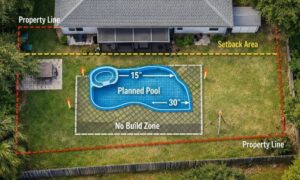
Even though you own your land, some parts must remain open for specific uses. These areas can affect where your fence can go. If your plan does not account for them, the permit may not get approved.
This is where many applications run into trouble. The fence location looks fine at first, but it conflicts with something on the property that was not considered.
A residential surveyor helps uncover these details early. Instead of guessing, you get a clear view of what works and what does not.
How a Residential Surveyor Changes the Outcome
When a residential surveyor becomes part of the process early, everything shifts. Instead of reacting to problems, you prevent them.
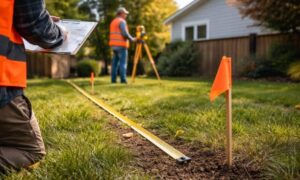
They confirm the true property lines. Then they help place the fence in a way that follows local requirements. Most importantly, they prepare a clean and clear document that the county can review without confusion.
Because of that, your application stands on solid ground. It is easier to understand, easier to process, and more likely to move forward without delays.
This step may seem small, but it changes how the entire project unfolds.
Why Permit Delays Are Often About Paperwork, Not Construction
Many homeowners think delays happen because of the fence design. In reality, the issue often sits in the documents.
If the plan lacks detail, the county cannot approve it. If the lines are unclear, they cannot confirm compliance. So, the application pauses until everything becomes clear.
Meanwhile, the fence itself may be ready to go. The materials may be chosen, and the contractor may be scheduled. Still, none of that matters without approval.
That is why focusing on the paperwork early makes such a big difference.
A Better Way to Approach Your Fence Project
Instead of rushing into the permit process, it helps to slow down for a moment and check your starting point.
When you begin with the right information, everything else becomes easier. The plan makes sense, the application looks complete, and the review process moves faster.
Working with a residential surveyor gives you that advantage. You move forward with confidence instead of guessing your way through the steps.
That shift can save time, reduce stress, and help you avoid unnecessary back-and-forth.
Start With Clarity, Not Assumptions
A fence may seem like a simple addition, but the process behind it tells a different story. In Orlando, approval depends on clear and accurate details.
Many homeowners miss that part. They focus on the build, not the preparation. As a result, they face delays that could have been avoided.
When you bring in a residential surveyor early, you set the project up the right way. You replace guesswork with clarity.
And in the end, that makes all the difference.