Buying a home should feel exciting, but many families are running into an unexpected roadblock: the pause on the National Flood Insurance Program (NFIP). With federal funding on hold, new flood policies cannot be issued or renewed. That might not sound like a big deal at first, but for anyone buying property in a flood-prone area, it can bring closings to a stop. This is where an elevation certificate becomes more than just a piece of paper—it becomes the key to keeping deals alive.
How the NFIP Pause Impacts Homebuyers
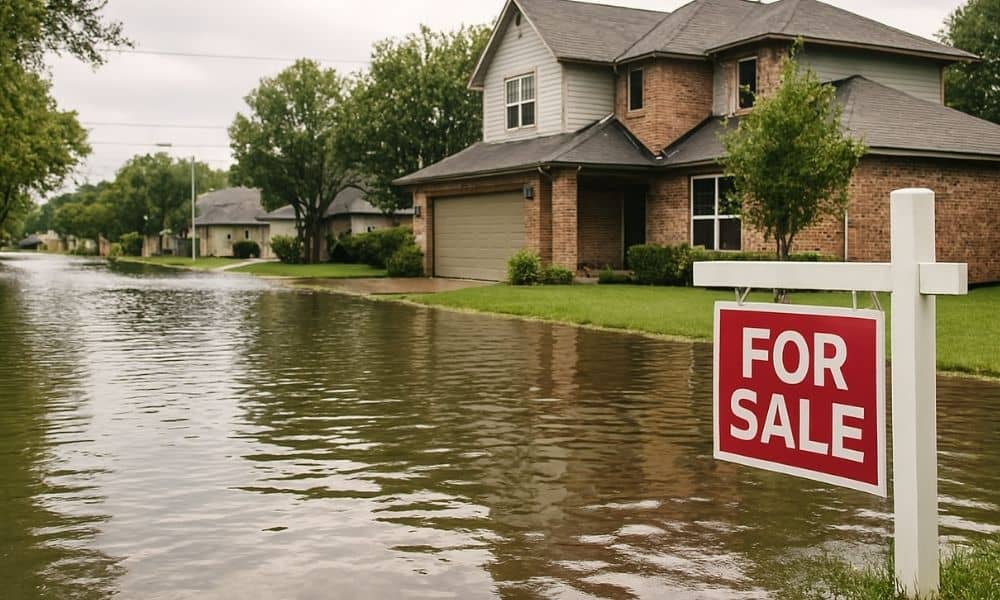
The NFIP provides most of the flood insurance policies in the United States. When the program is suspended, buyers in flood zones cannot secure the coverage their lenders require. In a city like Orlando—where heavy rains, hurricanes, and a high water table are part of life—many neighborhoods fall into FEMA’s Special Flood Hazard Areas. That means transactions can stall overnight.
Lenders typically refuse to finalize loans on homes in high-risk flood zones without proof of flood insurance. With NFIP shut down, buyers must look for alternatives. Private flood insurance is one option, but companies want reliable data before writing policies. That’s where the elevation certificate steps in.
Why the Elevation Certificate Matters Right Now
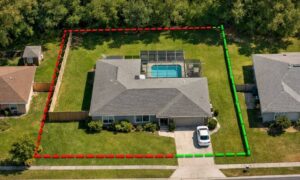
An elevation certificate shows how high a home sits compared to the base flood elevation set by FEMA. Surveyors measure the lowest floor, machinery, and ground elevations, then provide a document lenders and insurers can trust. Without it, private insurers may reject applications or offer inflated premiums.
In Orlando, where lakes, creeks, and wetlands surround residential communities, the certificate is often the difference between a stalled deal and a successful closing. Sellers who already have one on file can move faster. Buyers who request it early can keep their contracts from falling apart.
Orlando’s Unique Flood Risk
Local context makes this even more urgent. Orlando’s flood-prone corridors, such as Shingle Creek and the Little Econ River, have a long history of high water during storms. Even in newer communities like Lake Nona, heavy rains can overwhelm drainage. Add in the fact that Orlando sits on a naturally high water table, and you see why FEMA maps large portions of the region as flood zones.
Normally, NFIP coverage fills the gap, but with the program paused, homebuyers have to rely on private coverage. Private carriers want hard proof of risk before issuing a policy. The elevation certificate delivers that proof. Without it, transactions may drag on for weeks while both sides wait for answers.
Keeping Deals Moving When Insurance Is Frozen
Right now, the housing market is still hot in Central Florida. Buyers do not want to lose homes, and sellers do not want contracts collapsing. The smartest way forward is preparation. An elevation certificate can:
- Give lenders the confidence to approve closings with private insurance.
- Help insurers set accurate rates rather than overcharging based on generic FEMA maps.
- Support a Letter of Map Amendment (LOMA), which can sometimes remove a property from a high-risk zone altogether.
Instead of waiting for NFIP to restart, an elevation certificate gives buyers and sellers control. It shortens negotiations, reduces last-minute surprises, and keeps deals alive.
Real Situations in Orlando
Imagine a family buying a house near the Conway Chain of Lakes. Their lender requires flood insurance, but NFIP is paused. Without a certificate, their only choice is to delay closing and hope Congress acts quickly. With a certificate in hand, they can approach a private carrier, prove the home sits above the base flood elevation, and move forward on time.
Or think about a seller in College Park. They listed their home without checking for an elevation certificate. Halfway through negotiations, the buyer’s lender asks for flood documentation. The delay costs valuable time, and another buyer swoops in. If the seller had connected with a surveyor for home surveying support before listing, they could have provided the right paperwork upfront and avoided the setback.
These aren’t rare scenarios. Orlando’s mix of lakeside homes, older subdivisions, and expanding new builds means flood risk touches more deals than many people expect.
The Advantage of Acting Now

Even once NFIP returns, buyers and sellers will still face stricter lending and insurance requirements. Orlando participates in FEMA’s Community Rating System, which provides discounts on flood premiums. Orange County has a Class 5 rating, and the City of Orlando is Class 6. These ratings can lower costs by 20–25%, but only if there’s a valid elevation certificate on file.
That means the document pays for itself in more ways than one. It not only keeps closings on track during a federal pause but also ensures homeowners get the best rates once things normalize. In a market where insurance costs keep climbing, every dollar counts.
What Homebuyers and Sellers Should Do
If you’re buying a home right now, ask your agent or lender whether an elevation certificate is already available. Many cities and counties keep copies on file, and retrieving one may be faster than ordering a new survey. If none exists, contact a licensed surveyor as soon as possible.
Sellers should consider ordering one before listing. Having it ready reduces friction and gives buyers peace of mind. In today’s uncertain insurance environment, transparency is power.
Closing Thoughts
The NFIP pause may be out of your hands, but an elevation certificate gives you options. It shows lenders and insurers the true risk of your property, helps you access alternatives when federal policies are on hold, and protects your investment against costly surprises.
Instead of waiting until paperwork stalls your deal, take the step now. Work with a licensed surveyor to secure your elevation certificate and move forward with confidence—no matter what happens in Washington.