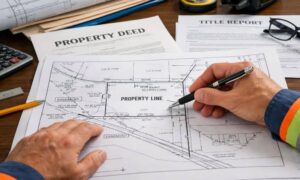
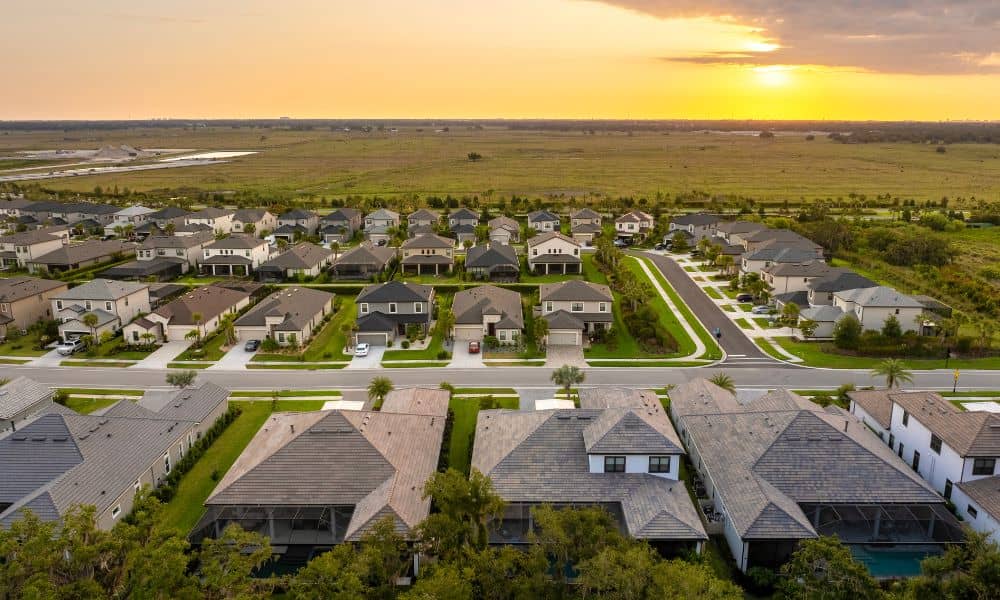
Orlando’s real estate market feels different this week. Buyers are no longer rushing the way they did before. Homes are sitting longer, price reductions are becoming common, and deals that once felt automatic now come with hesitation. Because of that shift, buyers are taking a closer look at risk before they commit. One step that quietly disappeared during the fast-paced market is now making a strong comeback: the property survey.
Buyers are not being difficult. Instead, they are being careful. As prices move in less predictable ways, confidence matters more than speed. A property survey helps buyers understand exactly what they are buying, which is why demand has jumped again across Orlando.
Orlando’s Market Shift Is Changing How Buyers Think
When prices rise quickly, buyers focus on winning the deal. However, when prices start to level out or fall, priorities change. Buyers slow down. They double-check details. They ask questions they used to ignore.
Right now, many buyers are seeing homes sell for less than expected. Some deals fall apart late in the process. Others fail when appraisals come in lower than the agreed price. As a result, buyers no longer assume everything will work out on its own.
Instead, they want proof. That mindset is pushing the property survey back into the spotlight.
Why Buyers Suddenly Care More About a Property Survey
A property survey answers a question buyers can’t afford to guess anymore: What actually comes with this property?
In an uncertain market, even small surprises feel expensive. Buyers want to know if the fence belongs to them. They want to confirm where the property line sits. They want to see whether any part of the land is shared, restricted, or limited.
These details matter more when prices feel unstable. Buyers are thinking long term, not just about closing day. Because of that, surveys now feel less like an extra step and more like protection.
Orlando Properties Come With Real Boundary Risks
Orlando’s mix of older neighborhoods and fast-growing developments creates unique challenges. Some properties rely on outdated records. Others sit close to neighbors or shared access roads. Homes near lakes or drainage areas often include easements that are easy to overlook.
Listings rarely explain these details clearly. Photos cannot show legal boundaries. Descriptions do not mention restrictions. A property survey fills in those missing pieces.
For buyers who plan to live in the home, improve it, or sell it later, understanding those limits matters. That awareness is driving more survey requests across the city.
Stories Buyers Are Hearing Are Fueling the Demand
Buyers are learning from real situations, not just advice from agents. Many hear stories about buyers who skipped a survey and regretted it later.
Some buyers discover after closing that a neighbor’s driveway crosses their land. Others find out part of the yard cannot be used because of an easement. These issues don’t always cancel a deal, but they change how a property fits into someone’s life.
As these stories spread, buyers become more cautious. They don’t want to learn hard lessons after closing. That fear alone is enough to bring the property survey back into the process.
Why This Trend Is Showing Up Now
Last year, buyers feared missing out. This year, they fear overpaying. That shift explains everything.
When competition slows, buyers gain leverage. They bring back protections they once waived. A property survey gives buyers information they can use, not just peace of mind.
With a survey in hand, buyers can confirm value, support negotiations, and avoid future problems. In a market where prices feel uncertain, information becomes power.
What a Property Survey Really Shows Buyers
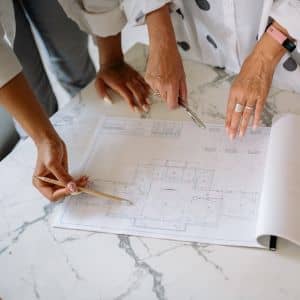
Many people think surveys only show lines on paper. In reality, a property survey tells a much bigger story about how the land functions.
It shows where structures sit, how boundaries align, and whether anything crosses into neighboring space. It reveals recorded easements and access areas that could limit future use.
That clarity helps buyers move forward with confidence. Instead of guessing, they know exactly what belongs to them and what does not.
How Surveys Protect Buyers After Closing
Problems discovered after closing often cost more than buyers expect. Boundary disputes take time. Easement issues limit plans. Confusion creates stress.
A property survey reduces that risk. It helps buyers avoid disputes with neighbors, prevents surprises during renovations, and supports resale value later on.
While surveys require planning upfront, they often prevent long-term frustration. In today’s market, that trade-off makes sense to more buyers.
Why Timing Matters for Buyers
Buyers see the most value from a property survey when it happens early enough to matter. During the inspection or due diligence phase, survey results still guide decisions instead of creating regret.
That timing allows buyers to ask questions, negotiate if needed, or walk away if the property no longer fits their plans. In a cautious market, flexibility matters.
The Bigger Picture for Buyers
Markets shift. Buyer behavior follows. Right now, buyers care more about clarity than speed.
A property survey offers that clarity. It removes guesswork, confirms boundaries, and supports smarter decisions. As prices shift this week, buyers want something solid to rely on.
That is why property surveys are back on the checklist — not because buyers are nervous, but because they are being smart.