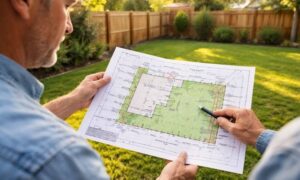
Buying or selling property may seem simple. You agree on a price, sign documents, and prepare for closing. However, one important question must be answered first: what land is legally being transferred? That is where a cadastral surveyor becomes essential.
A cadastral surveyor focuses on land ownership, legal boundaries, and recorded rights. Before a property transfer, this expert checks details that paperwork alone cannot fully confirm. Knowing what this process includes helps buyers and sellers avoid problems later.
Why cadastral checks matter before a transfer
A property transfer is a legal step, not just a payment. Because of that, accuracy matters. Even small mistakes can delay closing or cause disputes after the sale. For this reason, a cadastral surveyor confirms that the land listed in public records matches the land on the ground.
In Orlando, this step matters even more. Many areas are older, while others change quickly due to new development. As a result, record errors happen more often. Cadastral verification helps reduce these risks early.
Making sure the legal description fits the land
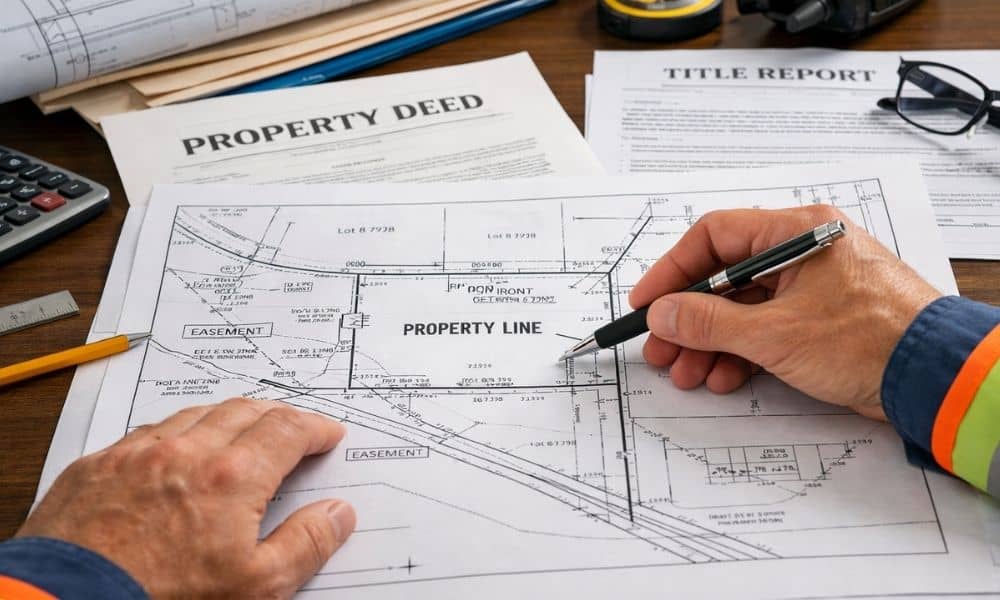
First, a cadastral surveyor reviews the legal description in the deed. This description explains the property using legal terms. It may refer to a lot and block or use distance and direction calls.
Next, the surveyor compares that description with recorded plats and county records. Sometimes, old descriptions no longer match current records. For example, they may mention landmarks that no longer exist. When this happens, the issue must be cleared up before closing.
Because of this step, buyers know the land they expect to own matches the legal record.
Checking property boundaries and corners
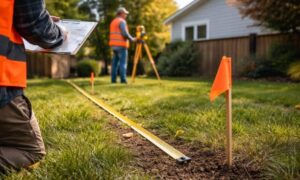
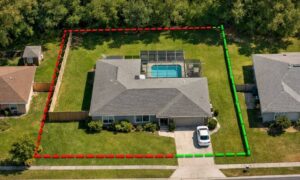
After reviewing records, the cadastral surveyor confirms where the property lines are on the ground. This step does not rely on fences or walls. Those features often sit in the wrong place.
Instead, the surveyor finds official markers like iron pins or monuments. Then, careful measurements connect those points to show true boundary lines. In Orlando, older properties often show shifts from past construction or outdated surveys.
Once boundaries are clear, everyone understands what land transfers and what does not.
Finding encroachments early
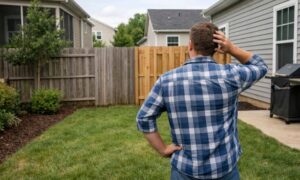
Encroachments happen when something crosses a property line. Common examples include fences, sheds, driveways, or parts of buildings. A cadastral surveyor checks for these during verification.
Even small encroachments can cause issues. They may affect ownership rights or title coverage. For instance, a fence built over the line can lead to disputes during resale. Therefore, finding these issues early gives time to fix them before closing.
Buyers often prefer knowing these details upfront rather than facing them later.
Reviewing easements and access rights
Some land rights involve use, not ownership. Easements allow others to use part of a property for specific reasons. A cadastral surveyor reviews recorded easements and confirms where they exist on the ground.
In Orlando, common easements include utilities, drainage, and shared access. While these are normal, problems arise when their locations differ from records. For example, a drainage easement may run closer to a structure than expected.
By checking easements early, buyers know how they can use their land. Sellers also avoid future disputes.
Confirming subdivision and plat details
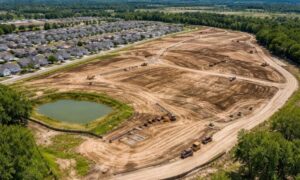
Many properties sit within recorded subdivisions. A cadastral surveyor checks that the lot matches the approved plat. This includes size, shape, and placement within the subdivision.
Sometimes, older subdivisions no longer meet current rules. While this may not stop a sale, it can affect future plans. For example, a buyer may plan to build later and face limits they did not expect.
This review helps buyers understand what the property allows.
Clearing up record conflicts
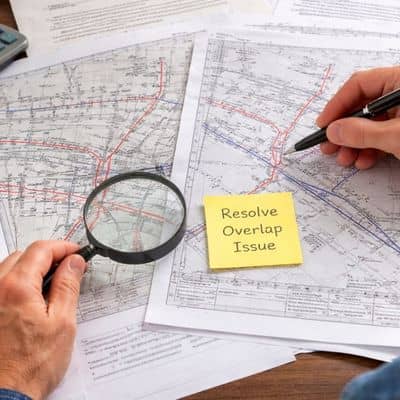
During verification, a cadastral surveyor may find conflicts between records. These can include overlapping descriptions, missing markers, or different survey results from past years.
Instead of ignoring these issues, the surveyor studies them and determines the best boundary position. Solving these problems early helps keep closings on schedule and reduces legal risk.
In a fast-moving market like Orlando, early action often prevents delays.
Who benefits from cadastral verification
Everyone involved gains value. Buyers gain confidence in what they own. Sellers reduce the chance of problems after the sale. Lenders gain trust that the land matches loan documents.
Because a cadastral surveyor focuses on legal land details, their work supports all sides of the transaction.
When to hire a cadastral surveyor
Timing is important. Starting early gives more time to resolve issues. Waiting until the last moment can cause stress and delays.
Verification becomes even more important for vacant land, older homes, or properties with unclear boundaries. In Orlando, redevelopment areas also benefit from early review.
Hiring a cadastral surveyor early protects both time and money.
Final thoughts
A property transfer involves more than signing papers. It involves legal ownership of land, defined by records and boundaries. A cadastral surveyor verifies these details before ownership changes.
For anyone buying or selling property, this step brings clarity and peace of mind. Knowing exactly what transfers helps everyone move forward with confidence.