Living in Central Florida means living with water. Heavy rain, strong storms, and fast development can change the land quickly. Because of this, an elevation certificate plays a bigger role than many property owners expect. Most people think it is a one-time document. In reality, it only stays accurate as long as the land stays the same.
This article explains when you actually need a new elevation certificate, not because of rules or deadlines, but because real conditions on your property have changed. If you own, manage, or develop land, this information matters.
Elevation certificates are based on conditions, not time
An elevation certificate does not expire just because it is old. Instead, it becomes unreliable when the ground, drainage, or nearby area changes. In a flat and water-sensitive place like Central Florida, even small changes can make a big difference.
Water can slowly move soil, reshape low areas, and create new paths across a lot. Because of this, elevation data can become outdated without any clear warning signs. As a result, many property owners rely on numbers that no longer match what is really happening on the ground.
So instead of asking how old your certificate is, ask this instead: has anything changed on or around the site since it was prepared?
Flooding can affect elevation data, even without damage
After a flood, most people look for damage inside the home. However, elevation problems often start outside.
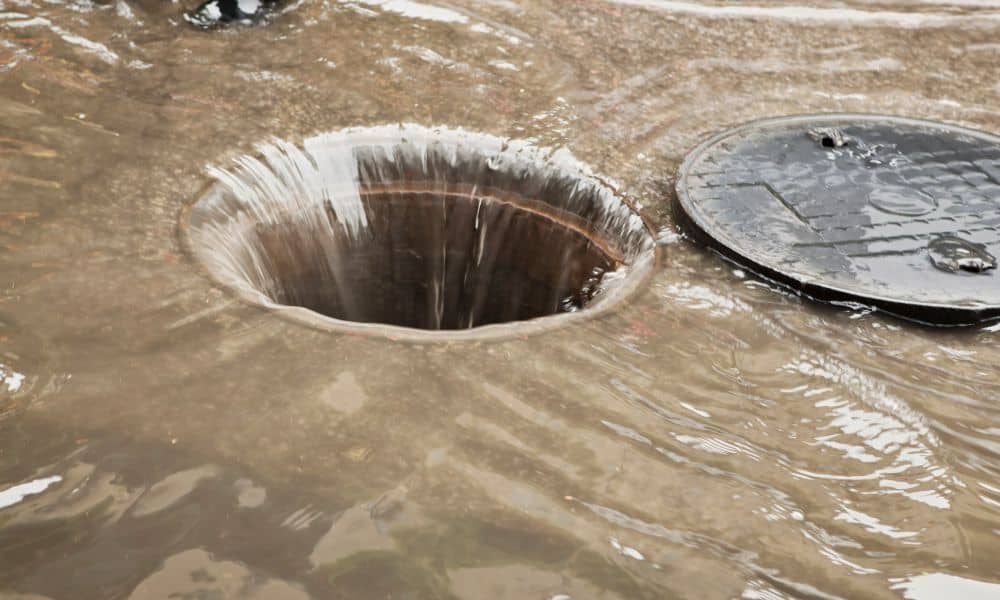
Floodwater can wash away soil near a foundation, fill low spots, or change how water flows across a yard. In some cases, water pressure shifts the ground just enough to affect key reference points used in an elevation certificate.
Even if water never entered the house, the land around it may have changed. Over time, these small changes affect drainage during the next storm. Since an elevation certificate depends on exact measurements, small ground changes can make old data inaccurate.
Site changes that often mean a new elevation certificate is needed
Flooding is not the only reason elevation data becomes outdated. Many issues come from normal site work that seems minor at first.
For example, adding soil to improve drainage can raise ground levels near a building. On the other hand, removing soil to stop pooling water can lower nearby areas. Both changes affect how the building sits on the land.
Other common site changes include driveway repairs, slab work, yard grading, and drainage system upgrades. Changes next door can also matter. New construction nearby may push water toward your property in ways that did not exist before.
Because an elevation certificate measures how a structure relates to its surroundings, any of these changes can affect its accuracy.
Why stormwater behavior matters
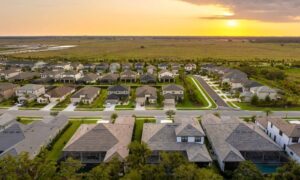
Central Florida’s landscape makes elevation accuracy especially important. The land is mostly flat, the water table is high, and development continues to grow. Together, these factors limit where water can go.
When stormwater systems fill up, water spreads across yards instead of draining away. Because of this, small height differences control where water collects. That makes accurate elevation data very important.
Older neighborhoods also face problems with aging drainage systems. At the same time, new developments add roads and rooftops that increase runoff. Because of these factors, elevation conditions can change even when a single property has not been touched.
Elevation certificate vs stormwater re-survey
Not every situation needs the same level of review. Sometimes, a surveyor only needs to confirm a few elevations. In other cases, broader site conditions must be checked again.
A new elevation certificate focuses on specific height measurements at the structure. A stormwater re-survey looks at how water moves across the entire site. This includes slopes, low points, and drainage paths.
Surveyors decide which option is needed by reviewing recent changes and watching how water behaves. If drainage patterns have shifted, checking one elevation may not be enough. Looking at the full site helps avoid future issues.
How surveyors check elevation accuracy after changes
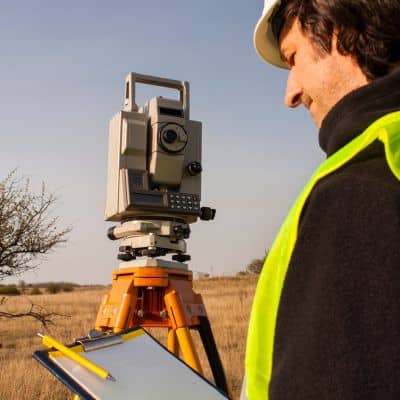
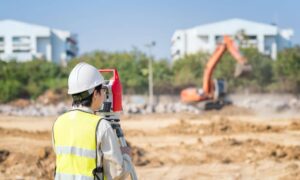
After flooding or site work, surveyors begin by setting reliable reference points. These points allow all measurements to stay accurate and consistent.
Next, they review ground levels around the structure and compare them to current drainage conditions. Because water often reveals hidden problems, surveyors also look for signs of erosion, soil buildup, or redirected flow.
In some cases, aerial data helps show surface changes. Still, ground measurements remain the key part of elevation certificates. By combining observation with precise data, surveyors can confirm whether existing documents still reflect real conditions.
Common assumptions that lead to problems later
Many elevation issues start with simple misunderstandings.
Some property owners believe that if the building did not flood, nothing changed. Others assume drainage work only improves conditions and does not affect elevation data. Many people also reuse old certificates without checking if the site still matches the original survey.
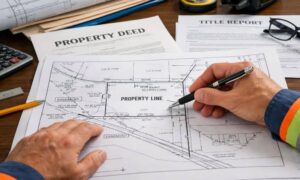
Design plans can also cause confusion. Plans show what was intended, not what actually exists. Only field measurements can confirm whether an elevation certificate is still accurate.
Because of these assumptions, problems often show up later, when fixing them costs more time and money.
When to contact a licensed land surveyor
You do not have to wait for a problem to review elevation data. Certain signs suggest it is time to take another look.
If water pools where it never did before, that matters. If runoff flows in a new direction, that matters too. Any grading, drainage work, or nearby construction should raise questions before old elevation data is reused.
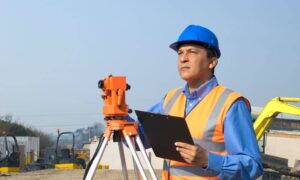
A licensed land surveyor can review current conditions and decide whether a new elevation certificate is needed. Taking this step early often prevents bigger problems later.
Elevation accuracy helps protect future decisions
In Central Florida, land and water constantly affect each other. Elevation certificates capture this relationship at one point in time. When conditions change, the data must change too.
Knowing when a new elevation certificate is needed helps property owners stay ahead of issues instead of reacting to them. More importantly, it ensures decisions are based on current, accurate information.
If your property has experienced flooding, drainage work, or site changes, now is the right time to check whether your elevation data still reflects reality. A simple review today can help avoid costly surprises later.