
Property listings in Florida keep getting more detailed. Today, buyers can see tax estimates, parcel maps, aerial views, and public record data right inside many listings. At first glance, this feels like a big win. More data should mean better decisions, right? However, more visible data does not always mean verified data. Listings help you compare properties, but they do not prove legal site facts. That gap matters most when money, lenders, and title insurance enter the picture. That is where an alta land survey plays a very different role.
Listings Show Helpful Data — But Not Legal Proof
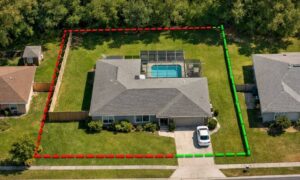
Modern listings pull data from many sources. For example, they often include county appraiser records, GIS parcel layers, and aerial images. Because of that, you might see boundary lines drawn neatly on a map. You might also see a lot of size, dimensions, and improvement outlines.
This helps with early research. You can screen properties faster. You can compare sizes and layouts. You can even estimate taxes and basic costs.
However, these data layers serve as references, not legal proof. Counties build them for general use, not for closing transactions. They update them at different times and with different methods. As a result, small gaps and errors often appear.
So while the map looks exact, it may not match field reality.
Why Online Parcel Lines Often Miss the True Boundary
Many buyers assume map lines show true property boundaries. That feels logical. The lines look sharp. The shapes look precise. Yet those lines often come from digitized records, not field measurements.
First, GIS parcel layers often come from older plats and drawings. Teams scan and convert those into digital form. During that process, scaling and alignment errors can happen.
Second, aerial images and parcel lines do not always line up perfectly. Image layers shift slightly based on projection and camera angle. Even a small shift can move a boundary line several feet on screen.
Third, many parcels changed over time. Lot line adjustments, splits, and combinations may exist in recorded documents but not yet appear in the map layer.
Therefore, the screen version gives you a guide — not a guarantee.
More Data Can Create False Confidence
More listing data feels empowering. Buyers feel informed. Investors feel prepared. Brokers feel confident sharing map screenshots with boundary lines drawn on top.
However, that confidence can turn into risk.
For example, an investor might measure building setbacks using an online parcel map. A buyer might assume a driveway sits fully inside the lot. A developer might estimate usable area based on a GIS overlay.
Then later, a field survey shows a different story.
Now the building sits closer to the line than expected. The paved area crosses a recorded easement. The access point falls outside the legal description. Suddenly, the deal needs a new review.
So while data helps with early thinking, it should not drive final decisions.
What an ALTA Land Survey Actually Verifies
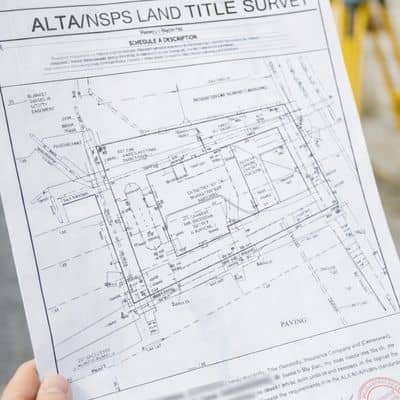
An alta land survey does not rely on map layers alone. Instead, it combines field measurement with title record review. That combination creates a verified picture lenders and title insurers can trust.
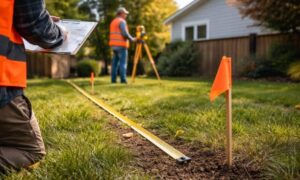
The surveyor goes to the site and measures real boundary evidence. They recover monuments, check corners, and compare physical findings with recorded descriptions. At the same time, they review title documents that list easements, rights, and restrictions.
Then they place those recorded items on the survey drawing in the correct measured position.
Because of that process, the final survey does more than show shapes. It confirms how legal records and physical conditions fit together on the ground.
That level of verification supports lending and insurance decisions — not just buyer curiosity.
Marketing Maps vs Transaction Maps
Here’s a simple way to think about it.
Listing maps support marketing. Survey maps support transactions.
Marketing maps help attract interest. They help buyers browse and compare. They support early questions like, “Does this site look big enough?”
Transaction maps must support liability decisions. Lenders risk large sums. Title insurers take on legal exposure. Attorneys review recorded rights and burdens. These parties need certified measurements and plotted record items.
Therefore, they rely on an alta land survey, not a listing overlay.
This difference explains why a lender will ignore a detailed listing map but accept a certified survey drawing.
Orlando Area Properties Add Extra Complexity
In active markets like Orlando, property history often adds more layers of change. Many commercial corridors have gone through redevelopment. Some parcels have been split, combined, or replatted. Others sit inside older subdivisions with updated uses.
Because of that, public map layers sometimes lag behind recorded changes.
For instance, a retail pad might come from a larger parent tract. A parcel viewer may still show the older outline. A site might also carry access or utility rights recorded after the last major map update.
So buyers who rely only on visible listing data may miss these record-based details. A verified survey catches them because it works from current title records and field evidence.
Use Listing Data for Screening — Use Surveys for Commitment
Listing transparency still helps. Buyers should use available data to screen options, compare locations, and plan budgets. That makes the search process faster and smarter.
However, once a deal moves toward contract and due diligence, the standard should change.
At that stage, decisions should rely on verified information. That includes measured boundaries and plotted recorded rights. An alta land survey provides that verified layer.
Smart buyers shift tools as the deal advances. First, they browse with listing data. Then, they confirm with certified survey data.
The Bottom Line for Buyers and Investors
Florida listings may soon show even more property data than before. That trend helps the market. It improves early visibility and speeds up comparisons.
Still, more data on a screen does not replace measured and certified facts on a survey.
An alta land survey reveals how legal records and real-world conditions align on a specific property. Lenders and title insurers rely on that verified picture, not on marketing layers.
So use listing data to get interested. Then use a proper survey to get protected. That simple shift can prevent costly surprises and support stronger, safer property decisions.