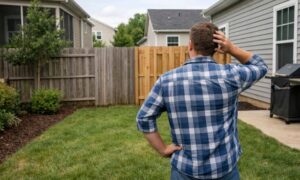

Orlando is growing fast. New homes, new subdivisions, and new construction projects seem to pop up every week. With all this activity, property owners keep running into a surprising problem: boundary survey disputes. As lots get tighter and more people move into the area, more neighbors discover their fences, driveways, or additions may not sit on the land they thought they owned.
This issue isn’t new, but Orlando’s fast-paced housing boom is making it happen more often. And because the city keeps expanding, these conflicts will likely continue unless homeowners and builders get ahead of them.
Orlando’s Housing Boom Creates a Perfect Storm for Confusion
Orlando continues to rank as one of the fastest-growing metro areas in Florida. New developments cover former open land, older neighborhoods fill with new additions, and investors flip houses at record speed. Because of this push, builders move quickly, and buyers often focus on getting a property under contract instead of checking the land details.
As a result, small mistakes turn into big fights. A fence built a foot over the line doesn’t seem like much. But when lot sizes shrink and houses sit closer together, every inch matters. And when construction ramps up across an entire city, more of these mistakes start showing up.
Many local surveyors say they’re busier than ever. While demand is good for the surveying industry, it’s also a sign that homeowners are catching problems earlier—or that more problems are happening in the first place.
Why New Construction Leads to More Boundary Disputes
Rapid development changes how land gets used. Empty lots turn into subdivisions. Single-family homes get add-ons or backyard upgrades. Property lines that once didn’t matter suddenly become important. And because the city keeps building inward and upward, boundary problems grow with it.
Tighter lots mean less room for error. Modern developments squeeze as many lots as possible onto a piece of land. Builders must follow strict setback rules, yet they move fast to complete each home. When a fence or corner gets placed a few inches off, the mistake becomes a legal issue. With homes so close together, even a small error can lead to a dispute.
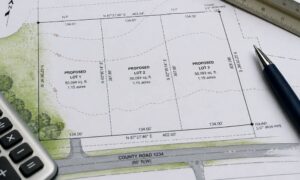
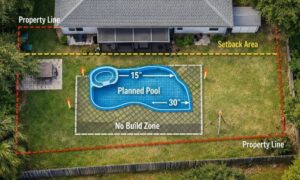
Parcel splits also create unclear lines. Developers often divide large parcels into several smaller lots. These splits must match the recorded plats, but if the original markers are unclear or old, confusion follows. Buyers rely on maps that look right but don’t match the ground conditions. Later, when someone wants to add a pool or patio, the true boundary becomes a surprise.
Infill construction exposes old problems. In older neighborhoods, many property lines were marked decades ago. As new homes fill empty lots or replace outdated buildings, the lines must be verified. But when builders skip a current survey, old mistakes resurface. Neighbors who never questioned their lines suddenly worry about encroachments.
Finally, contractors sometimes build first and confirm later. With tight timelines, some rely on online maps or old documents. But those aren’t precise. GIS maps are helpful for general location, yet they don’t show exact boundaries. When crews build from assumptions, fences, driveways, or retaining walls may end up on the wrong side.
Real-Life Orlando Examples That Show Why This Matters
These situations happen often, especially in busy markets.
A College Park homeowner installed a clean, modern fence right before selling the house. Later, the buyer learned the fence crossed into the neighbor’s land by more than a foot. Both parties blamed each other, but the issue could have been avoided with a proper survey before construction.
In Lake Nona, a family wanted to add a sunroom. But during permitting, the city found the original house sat closer to the line than allowed. Without a recent survey, the homeowners never knew. They had to redesign the project, which cost extra time and money.
A Winter Park investor repaved a driveway during a flip. After closing, the new owner learned the driveway overlapped the next lot. The neighbor demanded it be moved. The buyer faced a major repair because no one ordered a boundary survey before the flip.
Stories like these happen across Orlando every month. Growth brings opportunity, but it also brings complications.
How a Boundary Survey Helps Prevent These Problems
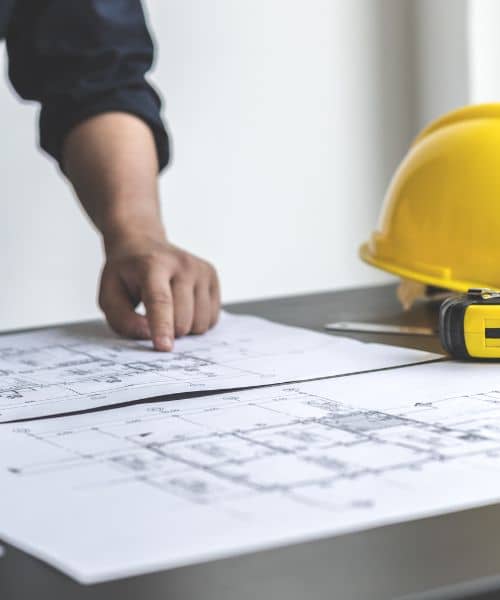
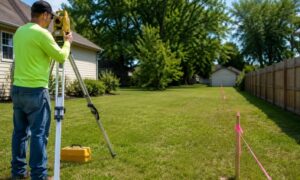
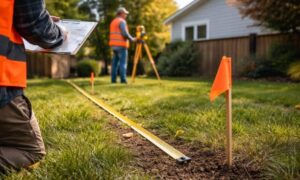
A boundary survey gives property owners a clear, accurate picture of where their land begins and ends. It protects both sides of a shared line and helps avoid fights that damage relationships.
It also helps homeowners and builders make smarter decisions during construction. Before pouring concrete or installing a fence, the survey shows where structures should go. It keeps you within Orlando’s setback rules. It reveals hidden issues early, like missing markers or old encroachments. And it gives contractors a reliable plan, so they don’t guess.
Because Orlando’s growth is speeding up, more homeowners and builders rely on surveys to avoid mistakes that used to be rare but now happen often.
Why You Should Order a Survey Early in the Process
When you plan a renovation, addition, or new build, getting your survey done early keeps everything moving in the right direction. A property boundary survey gives you the clear starting point every project needs. And since surveyors stay busy in a fast-growing city like Orlando, scheduling ahead helps you avoid long wait times that can slow down your entire plan.
Early surveys also help catch small issues before they turn into bigger, more expensive problems. They prevent permit hold-ups, reduce last-minute redesigns, and give you and your contractor the confidence to move forward without guessing. When you know exactly where your lines are from the start, your whole project runs smoother.
What to Ask Your Surveyor if You’re Starting a Project
Before you move forward with a build, addition, or property purchase, ask a few simple questions. Has this lot been surveyed recently? Do the recorded plats match the current ground conditions? Are any encroachments visible or likely? Should a topographic survey or site plan be added for construction planning?
These questions keep you informed and help your surveyor guide you through the process.
Final Thoughts:
Orlando’s rapid housing growth shows no signs of stopping. New homes, new businesses, and new developments will keep changing the layout of the city. As the market grows, property lines matter more than ever.
Boundary surveys give you clarity, confidence, and peace of mind. They protect you from costly disputes, keep your project on track, and ensure every improvement stays where it should—on your land, not your neighbor’s.
In a booming city, knowing your true property lines isn’t just helpful. It’s essential.