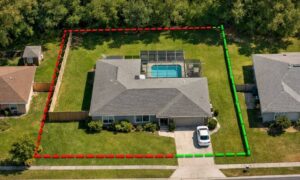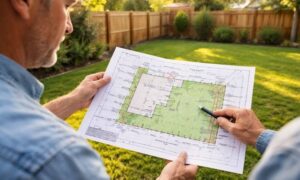

If you’ve spent any time on Reddit lately, you’ve probably seen those viral posts about neighbors fighting over a few inches of fence or driveway. The comments are full of frustration, legal threats, and regret — all because someone thought they could “eyeball” the property line. In cities like Orlando, where subdivisions curve around lakes and drainage easements, those inches can turn into expensive mistakes. That’s where a construction staking survey makes all the difference.
The Costly Lesson Behind a “Simple” Fence
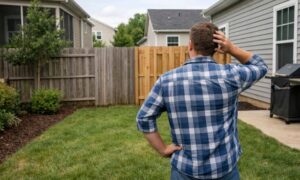
Most homeowners start their fence projects with excitement. You pick materials, measure a few steps from your house, and start digging. It feels simple — until a neighbor knocks on your door with a survey sketch and says, “That’s my property.”
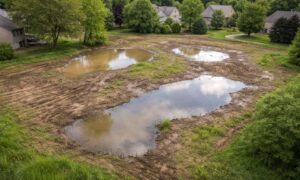
The problem is that fence lines rarely follow what your eyes see. Curved streets, sloped lots, and hidden easements make it easy to misjudge your boundaries. In Orlando, many older neighborhoods have irregular parcels and shared drainage zones near retention ponds. Without a precise survey, your new fence could end up inside your neighbor’s lot or on a city easement.
And once that happens, it’s not a friendly chat — it’s a formal dispute. You might have to remove sections of the fence, pay for rework, or even deal with legal fees.
How Small Mistakes Turn Into Big Problems
Imagine you build a 60-foot fence. A few inches off doesn’t sound like much — until the city or HOA flags it. Suddenly, you’re told it crosses an easement line. You can’t sell your home until it’s fixed. The fence has to come down, you lose the material cost, and your “budget-friendly DIY” project becomes a multi-thousand-dollar headache.
Even worse, if you’re close to a lake or flood zone, building on the wrong side of a setback could affect your elevation certificate or flood compliance. That mistake can increase your flood insurance premium — or stop your permit from being approved altogether.
What a Construction Staking Survey Actually Does
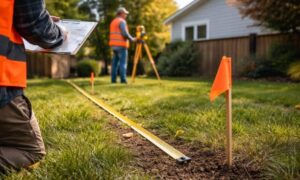
A construction staking survey is the field process that makes sure everything you build goes exactly where it should. Before construction begins, a licensed land surveyor visits your property to mark the precise points where the fence, driveway, or structure should sit.
Using specialized equipment, they locate your property corners, verify legal boundaries, and stake out offsets that guide contractors on where to build. It’s not a guess — it’s an exact measurement tied to your deed and existing monuments.
Here’s the simple version:
- You tell the surveyor what you plan to build.
- They mark the correct line based on your recorded property data.
- You build with confidence, knowing the fence sits exactly inside your legal lot line.
In many subdivisions, a staking survey also includes checking for easements, setbacks, and flood zone overlaps — things that rarely show up clearly on old plats or Zillow maps.
Why Homeowners Shouldn’t Skip It
Orlando’s landscape is full of challenges that make DIY surveying risky. Many lots wrap around retention ponds or run alongside utility easements. What looks like open backyard space could be part of a drainage corridor that the county has rights over.
A professional surveyor doesn’t just measure; they interpret those hidden restrictions. They know how to check the city’s GIS maps, flood overlays, and plat records to make sure your fence stays legal and permanent.
And if your neighborhood has an HOA, the surveyor’s sketch becomes your proof. When you show that your proposed fence follows the setback and property lines exactly, HOA approvals move faster — and future buyers will thank you for clean documentation.
Real-World Example: The $7,000 Fence Fix
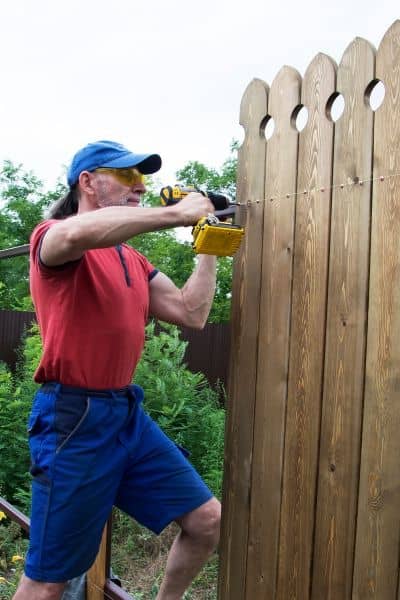
A homeowner near Lake Conway learned this lesson the hard way. They built a wooden fence to keep their pets in — but skipped the survey step. Months later, the HOA flagged it for being two feet inside a drainage easement. The county required removal, and the HOA issued fines for non-compliance.
Total cost:
- $1,200 in removal labor
- $4,800 in new fencing
- $1,000 in fines and re-inspection fees
The entire issue could have been avoided with a $600 construction staking survey.
Why Old Surveys Aren’t Enough
Many homeowners assume their closing documents or old plat map are fine. The truth is, those papers often don’t include field measurements or monument verifications. Orlando’s soil, tree roots, and construction can shift corner markers over time. A “found” iron pin from decades ago might be a few inches off, which is enough to trigger a dispute.
A staking survey updates those points with modern GPS and total station data. It ensures the line you see on paper matches the real ground conditions.
The Smoothest Path Before You Build
If you’re planning a fence, driveway, or any small outdoor project, do this first:
- Call a licensed surveyor who specializes in construction staking.
- Share your plans — even a sketch is fine.
- Get the line marked before construction starts.
- Take photos of the stakes and sketch to show your HOA or neighbor.
That’s it. No court drama, no rework, and no second-guessing your property limits.
How It Helps Contractors Too
Contractors love working with clients who invest in staking surveys. It protects them from liability. If a homeowner says “build here” and it turns out to be over the line, the contractor can be dragged into the dispute. Clear stakes mean clear limits — and faster work without callbacks.
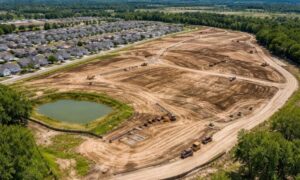
For larger jobs, like retaining walls or driveways, survey stakes also help maintain proper slope and grade. It keeps drainage flowing away from the house and ensures compliance with local stormwater codes.
In the End, Precision Costs Less Than Repairs
Fence disputes are never about the fence itself — they’re about trust, property rights, and money. A construction staking survey gives you something priceless: peace of mind. For a few hundred dollars, you avoid thousands in repairs, strained neighbor relationships, and months of stress.
So before you dig that first post hole in sandy soil, make one quick call. Have a professional mark your line, take photos, and confirm your build area. It’s the simplest insurance policy you’ll ever buy — and the smartest start to any home project.