Mixed-use development is on the rise in Orlando, bringing together residential, commercial, and public spaces on a single site. While this makes smart use of land, it also introduces new challenges—especially on older or irregular parcels. In many cases, what’s physically on the property doesn’t match what’s in the legal records. That’s why more developers are relying on ALTA Surveys in Orlando FL to identify unrecorded use areas like shared driveways, fences, or utility paths that were never formally documented. Catching these early can help avoid costly delays, redesigns, or legal issues down the line.
Evolving Site Conditions in Mixed-Use Environments
Orlando continues to expand, and mixed-use projects are becoming more common. These properties often include homes, retail stores, offices, and shared public spaces. However, many parcels being developed were not originally designed for that purpose.
Older lots may contain unrecorded easements, shared driveways, or informal paths that were never legally documented. These conditions can affect how land is divided, accessed, or built upon. What’s shown in the title records might not reflect what exists on the ground today.
Role of ALTA Surveys in Revealing Unrecorded Site Uses
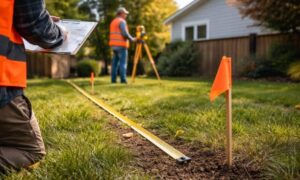
ALTA Surveys are designed to go beyond legal descriptions.As a type of commercial land surveys in Orlando, they require fieldwork to document visible conditions, including:
- Driveways crossing property lines
- Unregistered easements created through long-term use
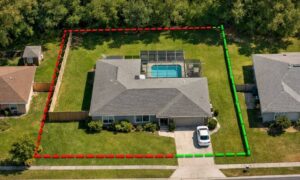
- Structures or fences that encroach on neighboring parcels
These surveys often reveal important details that legal paperwork misses. By mapping both recorded and physical features, they give developers a more complete view of the property.
Risks Posed by Undocumented Use Areas in Development Projects
When unrecorded use areas are not identified early, projects face serious risks. Construction plans may need to be changed, permits delayed, or legal actions filed to resolve disputes.
Common issues include:
- Boundary conflicts that stall inspections or approvals
- Access problems when driveways or paths are shared but not recorded
- Utility placement that overlaps with unknown easements
Without accurate documentation, developers face increased costs and uncertainty.
Legal and Design Impacts on Mixed-Use Site Planning
Modern development depends on precise planning. If a building encroaches on a neighbor’s unmarked path or blocks an informal driveway, the entire layout might need to change.
ALTA Surveys help project teams:
- Adjust building and parking locations based on real-world use
- Identify areas where public access is required
- Avoid zoning problems tied to setbacks or access points
When design plans reflect both legal boundaries and physical use, the approval process becomes smoother.
ALTA Survey Data as a Tool for Conflict Resolution
Survey data provides neutral, visual proof of what exists on-site. That makes it useful during disputes or legal reviews. Developers, neighbors, and local agencies can rely on the same baseline information.
This helps resolve issues such as:
- Questions over who has the right to use a shared space
- Disagreements about past access habits or maintenance responsibilities
- Requests for insurance or financing that depend on documented land use
With one clear survey report, everyone can move forward with confidence.
Integrating Verified Use Data into Long-Term Property Management
Once construction is complete, accurate survey data remains valuable. Property owners, managers, and municipalities use it for:
- Tracking changes in land use over time
- Planning upgrades or renovations without redoing full surveys
- Ensuring long-term compliance with zoning and access rules
For mixed-use properties, where multiple uses and users overlap, having a clear record of legal and physical conditions is essential.
Final Thoughts
As Orlando continues to grow and transform, developers face more complex land use challenges—especially in mixed-use projects. ALTA Surveys offer a powerful tool to uncover the unrecorded conditions that can delay approvals, trigger legal issues, or increase costs. By starting with a complete, field-verified picture of the land, project teams can move forward with confidence and reduce risk at every stage.
Frequently Asked Questions
1. What are unrecorded use areas in a mixed-use property?
They are driveways, paths, easements, or structures in use that do not appear in legal title documents or public records.
2. How does an ALTA Survey detect unrecorded features?
Surveyors inspect and measure all visible conditions on the site, comparing them to legal records to find gaps or conflicts.
3. Why are these issues common in Orlando?
Many parcels have changed hands or uses over time, especially in older urban areas. Shared spaces were often created without formal documentation.
4. Can these unrecorded uses delay development?
Yes. If found during or after planning, they can cause zoning problems, permit delays, or legal disputes.
5. Is a boundary survey enough to catch these issues?
No. Only an ALTA Survey includes detailed legal review, title coordination, and full documentation of both recorded and visible conditions.