

Orlando’s housing market looks different in 2026. Homes now sit longer. Buyers have more choices. Sellers feel more pressure. At first glance, that sounds like great news. And in many ways, it is. However, a slower market also creates new risks. When homes stop selling fast, you have to ask why. Some sit because of price. Others sit because of condition problems. That’s exactly why a house survey matters more now than it did during the buying frenzy.
In a hot market, buyers rushed. In a cooler market, smart buyers investigate.
The Orlando Market Shift Gives Buyers Power
Over the past few years, buyers in Orlando felt intense pressure. Homes received multiple offers within days. Many buyers waived contingencies just to compete. Some even skipped a house survey to make their offer stronger.
That worked during a seller’s market. But it came with risk.
Now, inventory has grown. More homes hit the market. At the same time, price growth has slowed. As a result, buyers finally have leverage again.
You can negotiate. You can ask questions. You can request repairs.
Most importantly, you can order a house survey without fearing you’ll lose the deal.
And that changes everything.
Slower Sales Often Reveal Hidden Issues
When a home sits on the market for weeks, buyers should pay attention. Sometimes, the home simply started too high. Other times, something deeper scares buyers away.
In Florida, certain issues show up often:
- Drainage problems after heavy rain
- Foundation movement due to soil shifts
- Encroachments across property lines
- Poor grading around the home
- Older additions without proper planning
Orlando also deals with sandy soil, high water tables, and strong storms. Because of that, small site issues can turn into major repairs over time.
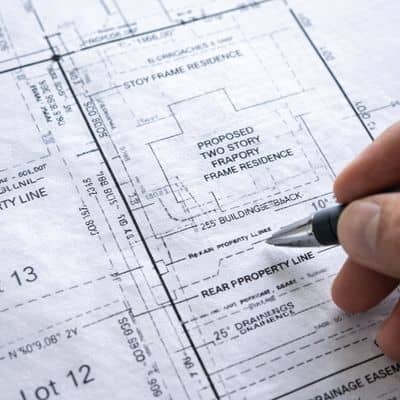
A house survey gives you clarity. It shows you how the land slopes. It confirms boundaries. It reveals whether structures sit where they should. While a home inspection focuses on the building itself, a house survey looks at the property layout and site conditions.
That bigger picture protects you.
A House Survey Is Now a Negotiation Tool
In today’s market, information equals power.
For example, imagine you love a home in Lake Nona. The price looks fair. However, your house survey reveals poor drainage along the rear property line. Water collects near the foundation after storms.
Now what?
Instead of guessing, you negotiate.
You ask for repairs. You request a credit. Or you adjust the price.
Without that survey, you would discover the problem after closing. Then you would pay for grading work yourself. In many cases, drainage correction costs several thousand dollars.
Because the market has slowed, sellers often agree to credits. They want the deal to move forward. That shift makes the house survey more valuable than ever.
Buyers Have Time — So Use It Wisely
During a fast market, buyers acted quickly. Decisions happened within hours. Today, you usually have more breathing room.
That breathing room allows you to:
- Review survey results carefully
- Ask follow-up questions
- Consult with professionals
- Compare repair costs before finalizing
However, some buyers make mistakes. They assume that because homes sell slower, the risk decreases.
That’s not true.
In fact, slower markets can expose deferred maintenance. Owners who could once sell quickly at a premium now must compete harder. Some postpone repairs. Others hope buyers won’t notice site problems.
That’s exactly where a house survey steps in.
Newer Homes Still Need a House Survey
Many Orlando communities continue to grow. Builders develop new neighborhoods across the region. As a result, some buyers assume new homes don’t require a survey.
That assumption causes problems.
New construction still involves grading, drainage planning, and boundary layout. Sometimes contractors rush. Occasionally, fences cross property lines. In certain cases, the final grading does not match the original plan.
A house survey confirms everything sits where it should. It protects you from future boundary disputes. It also helps you understand how water flows across your lot — something that matters greatly in Florida’s climate.
Even a brand-new home deserves careful review.
Orlando’s Climate Makes Site Conditions Critical
Florida weather creates unique challenges.
Heavy rains test drainage systems. Hurricanes stress foundations. High humidity affects soil stability.
Because of these factors, small grading issues can grow quickly. Water that pools near the home weakens soil. Over time, that movement can affect slabs and foundations.
A house survey helps identify potential drainage paths early. You can address small concerns before they become expensive structural problems.
In other words, prevention always costs less than repair.
Smart Buyers Think Long-Term
When buyers feel confident, they often focus on design, layout, and finishes. Granite counters and fresh paint look appealing. However, long-term ownership depends on more than surface details.
A house survey gives you peace of mind.
It confirms boundaries before you build a fence. It supports future additions or pool construction. It prevents neighbor disputes. It protects resale value.
Moreover, if you decide to sell later, having documentation strengthens your position. Future buyers appreciate clear records. They feel more confident when property details match official surveys.
Therefore, today’s survey becomes tomorrow’s advantage.
The 2026 Market Rewards Careful Decisions
Right now, Orlando buyers hold stronger negotiating power. That creates opportunity. However, opportunity only helps those who prepare.
Instead of rushing, use this slower market wisely.
Ask questions. Request documentation. Order a professional house survey.
The cost of a survey represents a small percentage of your total purchase. Yet it protects one of the largest investments you will ever make.
During a hot market, skipping due diligence felt necessary. In 2026, it feels careless.
Final Thoughts
Orlando’s housing slowdown does not mean danger. Instead, it signals a shift. Buyers now control more of the process. You have room to think, review, and negotiate.
That makes a house survey more critical than ever.
It gives you clarity. It gives you leverage. It gives you protection.
And in a market that rewards smart decisions, clarity always wins.