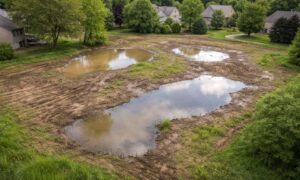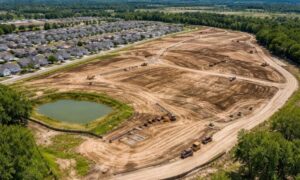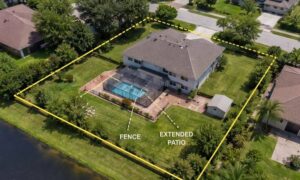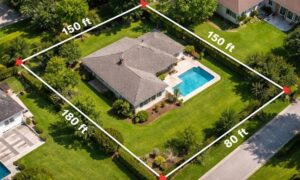
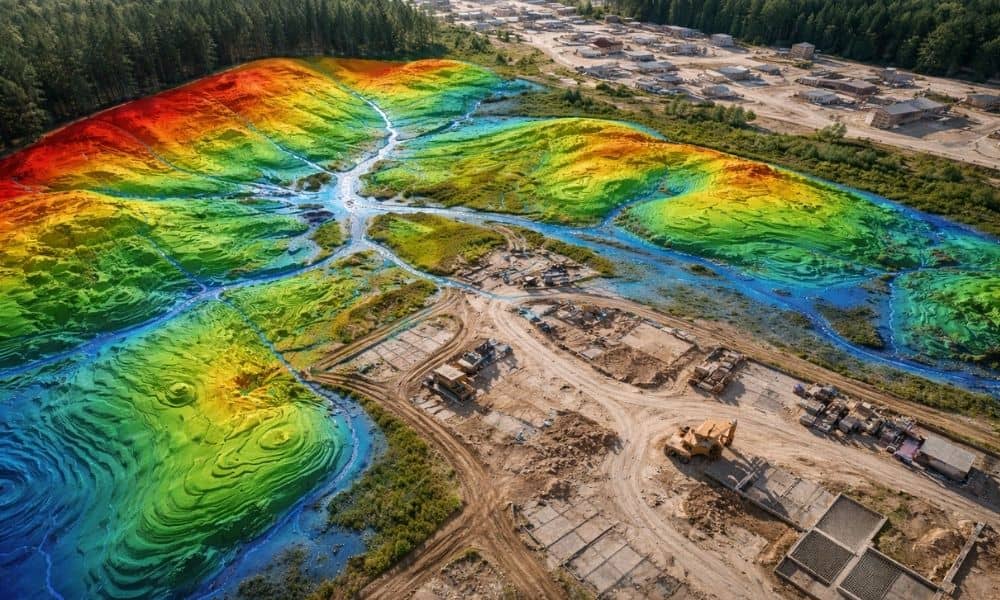
Florida storms often change how land behaves. One strong rain can turn a dry property into a place with puddles, muddy spots, and water running in new directions. Because of this, many builders now study land more carefully before they start construction. In growing cities like Orlando, this happens more often. A site may look flat and simple during a normal visit. However, after a heavy storm, the same land can show drainage paths, soft soil, and low areas where water stays longer than expected. As a result, builders and developers want clearer answers before they move forward with design and permits. Because of these concerns, many professionals now use lidar mapping during early site planning. Through this process, engineers and builders can better understand how the land sits and how water may move across it during Florida’s storms.
Storms Often Reveal What the Land Was Hiding
Most builders walk a property before buying or building on it. They look at trees, access roads, and the general slope of the land. During dry weather, the land may seem smooth and easy to build on. However, storms can show a very different picture.
After heavy rain, water often follows natural paths across the land. These paths may run through places where buildings or parking lots will go. In other cases, water may gather in spots that looked fine during the first visit.
Because of this, builders sometimes notice new problems after a storm. Water may sit near the future building area. Runoff may move toward nearby homes. Some parts of the land may stay wet long after the rain stops.
These situations make builders ask important questions. If water moves this way during storms, how will the site work once construction starts? Will drainage work well? Could stormwater cause problems later?
Because of these questions, many project teams take a closer look at the land before they make final plans. They often review detailed lidar mapping data to better understand how water moves across the property and where drainage problems might appear.
Small Elevation Changes Can Create Big Water Problems
Florida land often looks flat, yet even small height changes can guide water in surprising ways. A slope of only a few inches can send water across a large part of a property.
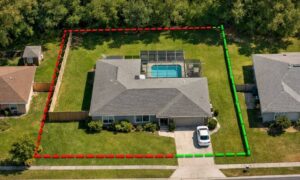
Because of this, water may move toward areas where buildings will stand. It may also flow toward driveways, roads, or nearby lots. During storms, these small changes in height can turn into big drainage problems.
Engineers must understand these patterns early. If they miss them, the project may need changes later. Grading updates, drainage fixes, or permit changes can slow down the work and raise costs.
Because of this, builders prefer to understand how the land behaves before they begin major design work. This helps them plan with the land instead of fighting against it.
How LiDAR Mapping Helps Builders Understand the Land
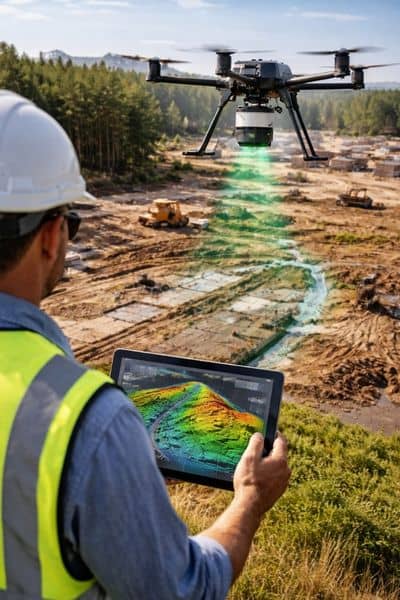
To answer these questions, many teams now use lidar mapping during early site checks. This method lets professionals study the ground in greater detail.
Instead of using only what the eye can see, lidar mapping collects clear elevation data across the property. As a result, engineers and planners get a better view of the land.
This information shows small slopes and low areas that may guide water flow. It can also reveal hidden ground changes under trees or thick plants. Because many Florida properties have wooded areas, this information is very helpful.
With this data, project teams can study how stormwater may move across the land. They can also see where water may gather or change direction.
Because of this, engineers can design grading and drainage systems more carefully.
Why Builders Want Terrain Information Early
Timing matters in land development. When teams find drainage problems late in a project, the fixes often cost more money.
For example, builders may need to redesign stormwater systems or change grading plans. Sometimes they must move parts of the project, like driveways or parking areas. These changes can slow the project and increase costs.
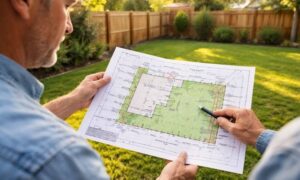
However, when developers understand the land early, they can plan with more confidence. Engineers can design drainage systems that follow the natural shape of the land. Builders can also place buildings where water will not cause problems.
Because of this, many development teams now treat lidar mapping as an early step in planning instead of waiting until later.
Florida Storms Are Changing How Sites Are Evaluated
Storms in Florida make land planning even more important. Heavy rain can arrive quickly and drop a lot of water in a short time.
When storms pass through Central Florida, they often show how well land handles water. Some sites drain quickly. Others hold water longer than expected.
These differences matter for builders. A site that drains poorly may need design changes before construction begins. Because of this, developers often study the land more closely after storms raise concerns about water flow.
Instead of guessing, teams prefer to review elevation data that shows how the land really behaves.
Development Projects That Benefit From Terrain Study
Many kinds of projects benefit from better land study. Housing areas, commercial buildings, and empty land all need careful planning before construction starts.
In wooded places, the shape of the ground may hide under trees and brush. Even on open land, small slopes may still affect how water moves.
Because of this, developers often need a clearer picture of the land before they finish their designs.
When builders study the terrain early, they can place buildings, roads, and drainage systems more wisely. This planning helps the project move forward more smoothly.
Better Land Understanding Leads to Better Planning
Florida keeps growing, and new construction appears across the state every year. As development spreads, builders must understand the land before they start work.
Storms remind everyone that water always follows the shape of the ground. If builders ignore that fact, problems may appear later.
Because of this, many professionals now use lidar mapping to gain a clearer view of land conditions. This information helps engineers design better plans and helps builders move forward with fewer surprises.
In a place where storms happen often, understanding the land early can make every project stronger.