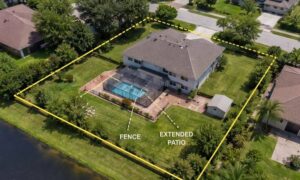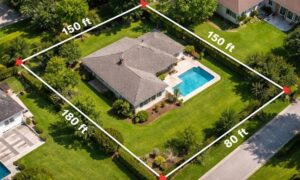

It usually begins with a simple plan. A homeowner wants a new fence for privacy. Or maybe they want to widen a driveway for easier parking. At first, everything feels easy. The work starts, the project moves fast, and no one thinks twice about the boundary.
Then a neighbor walks over.
They look at the fence or the driveway and pause. After that, they say something that changes everything.
“Are you sure that’s your side?”
Right away, the mood shifts. What felt like a normal home project now feels uncertain. Both homeowners look at the same space, yet they see two different lines. Still, neither one has checked the actual property boundary.
So, after tension builds, someone finally says they should’ve started by checking your property lines in the first place. However, by that point, the problem has already grown.
How These Disputes Quietly Begin
Most people do not expect trouble with their neighbors. In fact, they trust what they see. A fence that has stood for years feels correct. A driveway that lines up with the yard looks right.
Because of that, homeowners move forward with confidence. It rarely crosses their mind to think about bringing in a local surveyor early.
However, that confidence often comes from visual clues, not real data. Over time, those clues create a false sense of accuracy. For example, a fence may have gone up without exact measurements. A driveway may have extended little by little over the years.
At first, these small details do not matter. Yet once a new project begins, those hidden errors come to light.
Why Visual Lines Can Trick You
It feels natural to trust what looks clear. A straight fence line seems official. A row of trees feels like a border. Even the edge of a driveway looks fixed and correct.
However, these features do not define legal boundaries.
Fences can move. Trees grow in uneven ways. Driveways may stretch beyond the original line. In many Orlando neighborhoods, especially older ones, these changes happen slowly over time.
So even if something looks right, it may not match the true property line.
That is where many homeowners get caught off guard.
When the Situation Starts to Escalate
At first, the issue may seem small. A few inches may not sound serious. Still, once a neighbor raises a concern, the situation begins to change.
Now there is doubt. Soon after, there is frustration.
One homeowner may feel blamed. The other may feel ignored. As the conversation continues, both sides become more certain that they are right.
At the same time, the project is already done. The fence stands in place. The driveway has been poured. Because of that, no one wants to make changes.
This is when a simple question turns into a real dispute.
What a Local Surveyor Finds
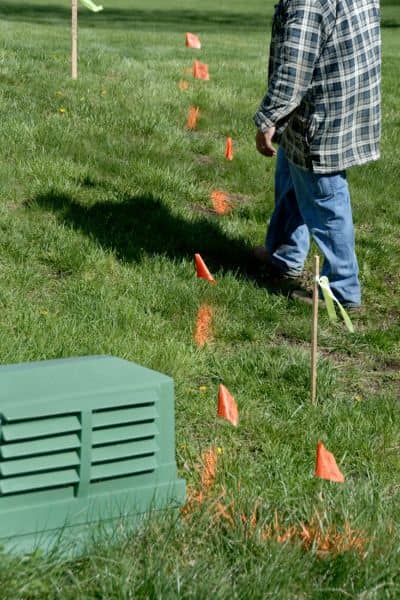
Eventually, both sides agree to bring in a local surveyor. At this point, they want answers, not guesses.
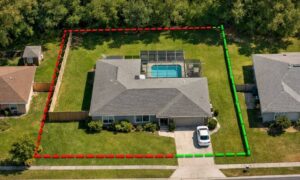
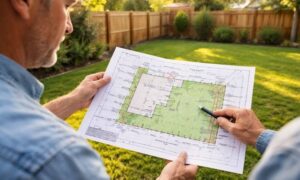
A surveyor studies the land with precise tools. They also check official records. Then, they mark the true property lines on the ground.
The results often surprise everyone.
Sometimes the fence crosses into the neighbor’s land. Other times, the driveway sits partly outside the boundary. In some cases, both homeowners misunderstood the line.
The survey does not take sides. Instead, it shows the facts.
However, by now, the situation is harder to fix.
Why Calling Too Late Creates Bigger Problems
If a homeowner calls a local surveyor before building, the process stays simple. The surveyor marks the boundary, and the project follows that line. There is no conflict, and no one feels stressed.
However, when the call happens after a dispute begins, everything changes.
Now, the fence may need to move. The driveway may need to shrink. That means extra cost and lost time.
At the same time, emotions are already high. Even a small change can feel unfair. Because of this, both sides may struggle to agree, even when the facts are clear.
So timing does more than affect the project. It shapes the entire outcome.
Why This Happens So Often in Orlando
Orlando has a mix of older homes and new developments. Because of that, property lines can feel confusing.
Older neighborhoods may follow outdated layouts. New homes may sit next to lots divided many years ago. Over time, changes like fences and driveways can shift how a property looks.
However, those changes do not always match official records.
As a result, many homeowners rely on what they see instead of what is documented. Once a new project begins, that gap becomes clear.
The Pattern Most Homeowners Miss
There is a clear pattern in these situations.
First, a homeowner assumes they know the boundary. Next, they build or improve part of their property. Then, a neighbor questions the change. Finally, a local surveyor gets called to settle the issue.
By the time the survey happens, stress and cost have already entered the picture.
This pattern repeats more often than people expect.
A Simple Way to Avoid the Problem
The key difference lies in timing.
When homeowners confirm their boundaries early, everything stays smooth. They build with confidence and avoid conflict.
However, when they wait until a problem appears, the situation becomes harder to control.
So instead of guessing, it helps to verify.
That one step can prevent stress, save money, and protect neighbor relationships.
Final Thoughts
Fence and driveway disputes do not begin as major problems. They grow from small assumptions that go unchecked.
At first, everything feels fine. Then a single question creates doubt. Soon after, the situation escalates.
A local surveyor can always bring clarity. However, when that call comes too late, the solution becomes more difficult than it should be.
So if something about your boundary feels unclear, it makes sense to check early. Because once a dispute begins, fixing it is never as simple as it could have been.