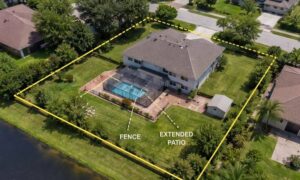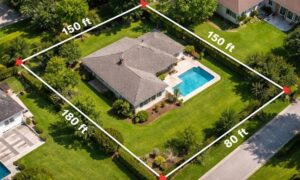
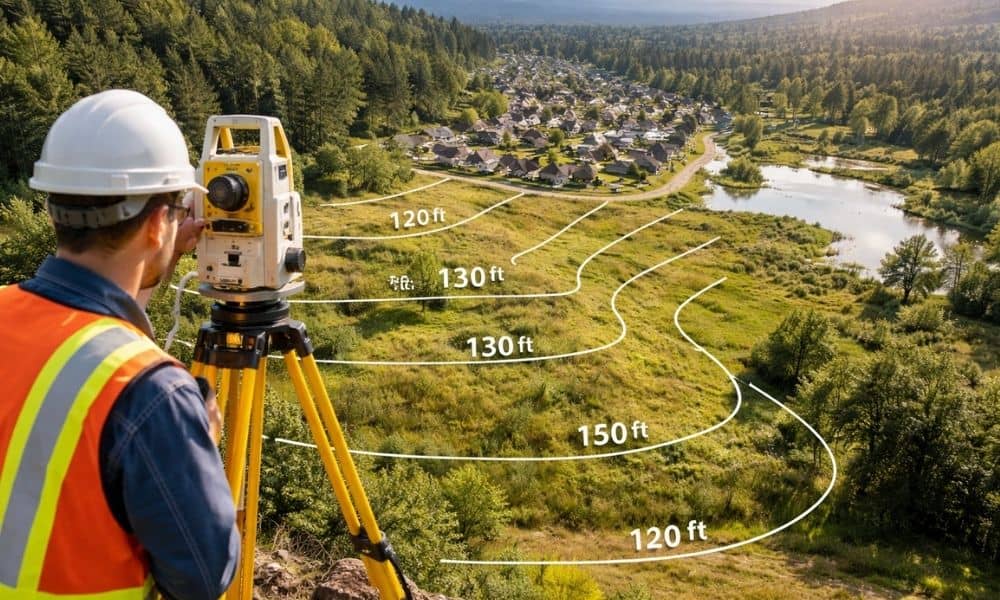
Flood risk has become a bigger topic in recent years. Experts now study how water moves during storms. They also review how flood elevation data is measured and used. Elevation simply means how high or low land sits compared to water levels. Recently, some experts have started questioning parts of the elevation data used in flood studies. In some cases, they’ve found small differences between model data and actual land measurements. While these differences might seem minor, even a few inches can change how water moves across the land. This is why property owners are now paying closer attention to elevation. Getting accurate land measurements is more important than ever, and this is where a licensed land surveyor becomes key. These experts provide reliable data that helps ensure the safety and accuracy of property planning.
For homeowners, investors, and developers, knowing the exact elevation of a property can help prevent costly problems down the road.
Why Elevation Data Is Getting More Attention
Flood maps guide many property decisions. Engineers use them when they design drainage systems. Cities use them when they review building permits. Insurance companies also use them to estimate flood risk.
However, some elevation models use large regional data sets. These models show general land shapes across wide areas. They help experts study large regions. Yet they may not show the exact height of a specific property.
Because of this, experts now review elevation data more closely.
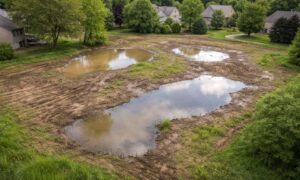
Even a small difference in elevation can change how water behaves. For example, one property may sit slightly lower than nearby land. During heavy rain, water may collect there. This can affect drainage, building design, and long-term property use.
Because of this, planners and engineers now value accurate land measurements even more.
What Elevation Means for Property Owners
Many people think flood risk only affects coastal cities. However, elevation also matters in inland areas like Orlando.
Strong storms can send water into low areas in neighborhoods. If land slopes toward a building, rainwater may move toward that structure. Over time, this water can cause damage.
Elevation also affects many important parts of property planning, such as:
- Flood insurance needs
- Building foundation height
- Stormwater drainage systems
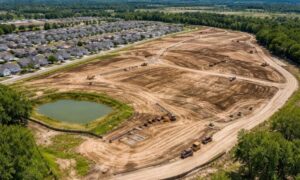
- Retention pond design
- Road and driveway grading
Because of this, even small elevation changes can affect how safe a property becomes.
For this reason, many property owners want clear information about the land under their property.
How a Licensed Land Surveyor Measures Elevation
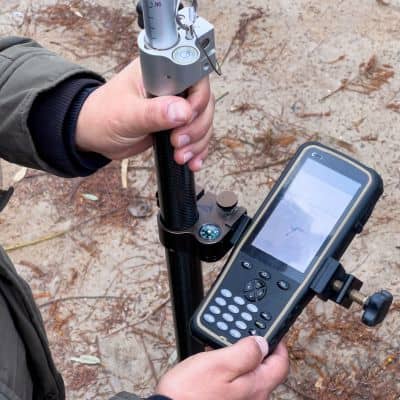
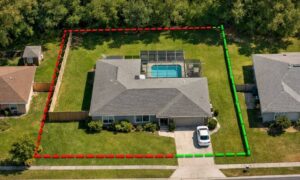
A licensed land surveyor measures elevation directly on the property.
First, the surveyor places control points across the land. These points connect the site to known elevation benchmarks.
Next, the surveyor measures the ground in many places. These measurements show slopes, dips, and natural drainage paths.
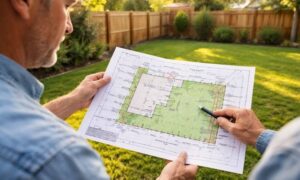
After collecting the data, the surveyor creates a topographic survey. This survey shows the shape and elevation of the land.
Engineers and planners use this information when they design drainage systems and building layouts.
Because a licensed professional signs the survey, the measurements carry legal authority. Cities, lenders, and developers trust this information.
Most important, the data comes from real field measurements instead of computer estimates.
Why Online Maps Cannot Replace Field Measurements
Today, many people use online maps to research property. These tools can show parcel lines, zoning areas, and flood zones. They can also show general elevation.
However, these maps cannot replace field surveys.
Most mapping tools use large data sets that cover wide areas. They show general terrain patterns. Yet they cannot show every slope or grading change on a single lot.
Also, land conditions can change over time. Construction, landscaping, and erosion may change the ground surface.
Because of this, the elevation shown on a map may not match the real height of the land today.
A licensed land surveyor solves this problem by measuring the property directly. The survey shows the highest and lowest points across the land. It also shows how water may move during storms.
This information helps engineers design drainage systems that protect buildings.
When Elevation Verification Becomes Important
Accurate elevation data is important in many situations.
Property owners may need measurements before building a home. Developers may need elevation data when planning new projects.
Engineers often use topographic surveys before designing grading plans or drainage systems.
Property buyers may also request elevation measurements before purchasing land. This helps them understand possible flood risk.
Older properties sometimes need updated surveys as well. Over time, nearby construction or road work may change the land.
When projects involve drainage or flood planning, elevation checks help everyone work with reliable information.
Why Accurate Measurements Matter More Today
Today, many development projects depend on detailed site information. Engineers need accurate measurements when they design roads, drainage systems, and building foundations.
At the same time, flood research continues to grow. Experts study rainfall patterns and water movement more closely than before.
Because of this, accurate elevation data has become more important.
Clear measurements help prevent water from collecting near buildings. They also help designers place buildings at safe heights.
A licensed land surveyor provides the measurements that make these decisions possible.
Elevation Data Helps Protect Property Investments
Land is often one of the largest investments people make. Because of this, understanding land conditions is very important.
Elevation affects how water moves across property. Water also affects the safety of buildings.
When property owners rely only on general maps, they may miss small elevation differences. Yet these differences can change drainage patterns across the site.
By working with a licensed land surveyor, property owners gain clear information about slopes, high points, and low areas. This information helps engineers design better foundations, driveways, and drainage systems.
Over time, accurate measurements support better planning and fewer problems.
The Bottom Line
Experts are reviewing flood elevation data more closely. Because of this, accurate land measurements matter more than ever.
Elevation affects flood risk, drainage design, and building safety. Maps and models cannot show every detail.
A licensed land surveyor provides the field measurements needed to understand the land correctly.
For property owners and developers, this information brings confidence before construction or planning begins.
When land decisions depend on elevation, reliable measurements can make a big difference.