

Orlando keeps growing. New apartments rise near downtown. Warehouses expand along major highways. Retail centers pop up close to fast-growing suburbs. Yet in 2025, many of these projects share the same problem: delays before construction even starts. In many cases, the issue comes down to one early step—the construction survey. While it rarely makes headlines, this phase now controls how fast projects move forward across Central Florida.
Orlando Is Ready to Build, So Why the Slowdown?
At first glance, Orlando looks ready for nonstop construction. Demand stays strong. Financing still flows. Local governments continue to approve new development. However, projects often stall long before crews arrive on site.
Developers feel the pressure. Contractors sit on standby. Investors ask why schedules keep slipping. Although permits and materials get blamed, the real delay often appears earlier in the process.
Simply put, projects cannot move without verified site data. That verification starts with a construction survey. When survey schedules stretch, everything else follows.
The Quiet Shortage Behind the Scenes
Florida faces a growing shortage of licensed surveyors. Many experienced professionals approach retirement age. At the same time, only a small number of new surveyors earn licenses each year. This gap creates a serious capacity problem.
Unlike other services, surveying does not scale fast. Licensing takes years. Training requires field experience. Most importantly, only licensed professionals can sign and seal construction surveys.
As Orlando’s development pace accelerates, survey demand rises faster than supply. That imbalance turns surveys into a scheduling bottleneck.
Why a Construction Survey Matters So Much
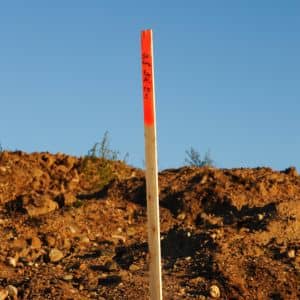
Before grading begins or foundations get placed, surveyors must establish precise control points. They confirm boundaries, verify elevations, and align the project with approved plans. Every major trade depends on this work.
If survey control comes late, grading waits. When grading waits, utilities stall. When utilities stall, vertical construction cannot begin. One delay ripples through the entire schedule.
Because of this sequence, construction surveys now hold more weight than ever. They sit at the front of the timeline. Any delay there multiplies across the project.
Orlando’s Growth Makes the Impact Worse
Orlando’s rapid expansion magnifies the issue. Multiple large projects often compete for the same limited pool of surveyors. Even well-funded developments must wait their turn.
In slower markets, survey delays might feel manageable. In Orlando, they can push schedules by weeks or months. Developers then face higher holding costs, tighter deadlines, and reduced flexibility.
Moreover, survey demand spikes early in the year as projects line up for spring starts. When capacity runs out, delays stack quickly.
How Delays Affect Real Projects
Construction delays rarely stay isolated. Instead, they compound.
For example, contractors may miss mobilization windows. Subcontractors may move on to other jobs. Loan draws may slip when milestones go unmet. As a result, budgets tighten.
Even bidding suffers. When timelines feel uncertain, some contractors hesitate to commit pricing. Others add risk premiums to protect themselves. Ultimately, project costs rise.
None of this stems from poor planning. Instead, it reflects a system stretched beyond capacity.
Why This Problem Feels New in 2025
Surveying has always mattered. So why does it feel like a bigger issue now?
First, Orlando’s development volume keeps climbing. Second, surveyor retirement rates increase. Third, licensing pipelines move slowly. Together, these factors collide in 2025.
In the past, projects could request surveys later without much risk. Today, that approach no longer works. Construction surveys must happen earlier, with less margin for delay.
Because this shift happens quietly, many teams still plan using old timelines. That mismatch creates frustration when schedules slip.
What Smart Developers Are Doing Differently
Experienced developers adapt quickly. In 2025, many now treat surveying as a strategic priority rather than a routine task.
They request construction surveys earlier in the planning phase. They confirm survey availability before locking construction schedules. They also coordinate closely with engineers to align timelines.
Some teams even secure survey slots months ahead. Although this approach feels cautious, it reduces risk later. In a tight market, early planning saves time and money.
Industry Voices Are Raising Flags
Surveying associations across Florida continue to warn about workforce shortages. Professionals note that demand shows no sign of slowing. Without more licensed surveyors, delays will persist.
Orlando-based firms echo this concern. They see full schedules months out. While technology improves efficiency, it cannot replace licensed expertise.
These warnings highlight a long-term issue, not a short-term disruption. As growth continues, pressure on construction surveys will remain.
What This Means for Moving Forward
Construction will not stop. Growth remains strong. However, timelines must adjust to new realities.
In 2025, the most successful projects plan for survey lead times early. They treat construction surveys as foundational, not optional. They build schedules around availability instead of hoping for last-minute openings.
For developers, builders, and investors, understanding this shift matters. When teams recognize where delays begin, they manage risk more effectively.
Ultimately, a construction survey may not feel exciting. Yet in today’s Orlando market, it often decides whether a project moves forward on time or sits waiting. Planning for that reality now can make all the difference later.