One phone call can turn an elevation certificate from a forgotten file into a closing condition. The call usually comes from a lender that has flagged the home as sitting in a flood zone. Sometimes it comes from an insurance agent who wants elevation data before quoting a policy. Orlando sits well inland, but its lakes, retention ponds and low ground still put some properties on FEMA flood maps. Buyers who ask about elevation early give themselves room to react. Waiting until the final week can mean a rushed survey or a tense talk about new terms.
An elevation certificate is a FEMA form that a licensed surveyor, engineer or architect completes and signs. It shows how high a building sits compared with the flood level FEMA expects for that spot. It records the lowest floor, the ground around the house and certain equipment such as an outdoor AC unit. For a deal, three things matter most. You need to know whether the home needs flood insurance, whether a usable certificate already exists and who is actually asking for one.
Identify the Elevation Issue Before the Deal Reaches Closing
The best time to spot an elevation question is in the first days after you sign the contract. At that point you still have your inspection period and time to shop for insurance. If you find a problem the week of closing, you have almost no room to fix it.
Florida gives buyers an early clue. State law requires sellers of residential property to give buyers a flood disclosure at or before contract signing. Since October 1, 2025, that form also asks about flood damage the seller knows about during their ownership, along with past flood claims and flood aid. Read it closely. A “yes” anywhere on that form is a good reason to look at elevation right away.
You can also look up the address on FEMA’s online Flood Map Service Center. The map won’t give the final word, because your lender will order its own flood zone determination. It still tells you what to expect. Then ask the seller for these items:
- Any elevation certificate the seller or an earlier owner kept
- The declarations page from a current flood insurance policy, if the home has one
- Permits for additions, garage conversions or other work that changed the house
- Records of any flood repairs
Check Whether an Existing Elevation Certificate Can Be Used
An older elevation certificate can often still work if nothing important has changed since a surveyor prepared it. Start by checking that the address and building description match the home you’re buying. Look for the certifier’s signature, license number and date. A certificate for the right house with a clear signature gives you a solid starting point.
Next, compare the certificate with the house as it stands today. An addition can make old numbers outdated. So can an enclosed garage or porch, a raised or moved AC unit or new fill around the foundation. A new flood map for the area can also change how an insurer reads the figures. If any of that work came after the certificate, plan on a new one.
A missing certificate may still exist somewhere. The seller’s insurance agent may have a copy from an earlier policy. Some local floodplain offices also keep certificates for homes that owners built or improved with a permit. Depending on where the property sits, that could mean the City of Orlando or Orange County. A quick call can save you from paying for a survey you don’t need.
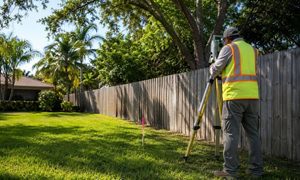
When no usable copy turns up, order a new one early. The surveyor will need to reach the outside of the house, the garage, any crawlspace and the AC pad. Ask the seller to allow that access during your inspection period.
Separate the Lender’s Requirement From the Insurance Question
Your lender and your insurance company ask different questions. Mixing them up can add a lot of stress to a closing. The lender mainly wants to know whether the building sits in a high-risk flood zone, which FEMA calls a Special Flood Hazard Area.
Federal rules require flood insurance on most mortgages for buildings in those zones. The lender orders a flood zone determination to settle that point. An elevation certificate doesn’t change the result by itself. Even if your certificate shows the house sits above the expected flood level, the lender still goes by the map. The owner can ask FEMA for a Letter of Map Amendment to remove the building from the high-risk area, but FEMA’s review takes weeks. That timing may not fit inside your contract period.
The insurance side is about price and eligibility. FEMA’s current pricing for National Flood Insurance Program policies doesn’t always call for an elevation certificate. You can still submit one, and it may change your premium. Private flood insurers set their own rules, so ask each one what it needs.
Insurance can also come up when the lender never asks. Citizens Property Insurance, Florida’s state-backed insurer, now requires flood coverage for many of its homeowners. As of January 1, 2026, the rule covers Citizens policies with wind coverage and dwelling coverage of $400,000 or more, even outside high-risk zones. On January 1, 2027, it reaches the rest of those policies. If you plan to insure through Citizens, you may need a flood policy no matter what the lender decides.
One more option can help. If the seller carries a National Flood Insurance Program policy, the seller can assign it to you. The seller has to sign that assignment on or before the closing date. Private flood policies usually don’t transfer this way, so ask your agent how the seller’s policy compares with a new quote.
Resolve Elevation Questions Before They Become Closing Conditions
Put elevation on your closing timeline as its own task. Order any new certificate during your inspection period. Get flood insurance quotes as soon as you know the zone and have elevation data in hand. That gives you time to decide whether the cost fits your budget before the loan reaches final approval.
Talk with your real estate agent or attorney about your contract dates. Ask what happens if a flood policy costs more than you expected. Contract terms vary, so get those answers before any deadline passes.
Once the certificate is ready, share it with the people who need it. That usually means your insurance agent and, when they request it, your lender or closing agent. Keep a copy with your house records after closing. You’ll want it again when you sell, refinance or change the house.
Sellers can help too. A certificate ordered before listing gives buyers real numbers from day one. It also cuts down on last-minute requests once a buyer signs a contract.