Title review and an ALTA title survey work together to catch these issues early. The title commitment lists the recorded easements, and the survey shows where they fall and how the land is actually used. Resort buyers, developers, and lenders should line the two up before committing to a deal or a site plan.
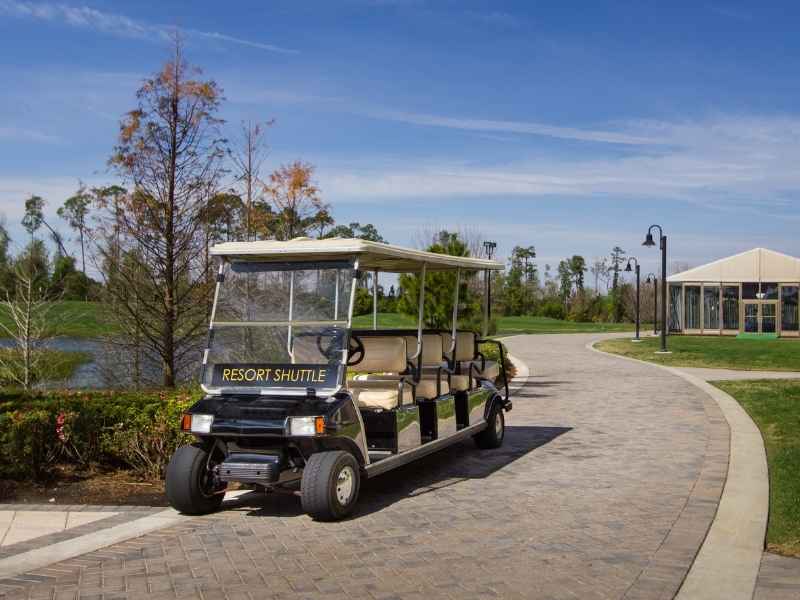
A resort shuttle might cross three parcels on a single loop between the lobby, a parking garage, and a neighboring hotel. Each crossing depends on a recorded right that someone negotiated years ago, often for a site that looked very different. When those rights don’t match the route on the ground, buyers and lenders inherit a problem that can stall a closing or an expansion.
Reviewing Recorded Shuttle Easements in Resort Property Title Documents
A shuttle easement is a recorded right that lets vehicles carrying guests or employees cross land owned by someone else. On resort sites, these often link hotels, timeshare buildings, parking areas, conference centers, and nearby attractions. They usually appear as exceptions in Schedule B of the title commitment, which lists matters the title policy won’t cover unless they’re resolved.
Pull each full easement document, since the one-line summary in the commitment leaves out most of the terms. Some agreements are decades old and have been amended more than once. Pay close attention to these terms:
- Who benefits from the easement and whose land carries it
- Permitted vehicle types, sizes, and hours of use
- Maintenance, insurance, and cost-sharing duties
- Relocation rights and the process for changing the route
- Termination conditions and transfer rules
Also check whether the easement runs with the land or belongs to a specific operator. That difference can decide whether the right transfers with a sale. Your title company and attorney should confirm how each document applies to the deal.
Identifying Shared Shuttle Routes Across Resort Property Boundaries
The surveyor locates the route the shuttles actually use, then ties it to property boundaries. Drive lanes, curb cuts, signage, stops, and turnaround areas all count as visible evidence of use. On large resort campuses, routes often cross several parcels with different owners or loan histories.
Recorded routes and actual routes drift apart over time. A new parking deck, pool expansion, or lobby addition may have pushed shuttles onto a different path. If the current route sits outside the recorded easement, that gap needs attention before closing.
Ask the operator for current route maps and stop locations before field work starts. That helps the surveyor focus on the areas that matter most. It also flags informal routes that were never documented.
Checking Easement Widths, Access Points, and Passenger Loading Areas
Width is where many shuttle easements fall short. An easement drawn for small vans decades ago may not fit today’s full-size buses, especially at turns. Compare the recorded width with the vehicles in use and the space they need to turn safely.
Access points need the same check. The survey should show where each shuttle route connects to public roads and private drives, along with any gates, guard stations, or curb cuts. Any access point used by shuttles but not covered by a recorded right deserves a closer look.
Passenger loading areas bring their own concerns. Canopies, curbs, benches, and pedestrian crossings near a stop may sit partly inside or outside the easement. Accessibility rules for passenger loading zones may also apply, and requirements can vary by property type and project scope.
Comparing ALTA Survey Findings With Recorded Shuttle Access Rights
An ALTA title survey plots recorded easements listed in the title commitment and shows visible evidence of use on the site. Where an easement can be located from its description, the surveyor draws it on the map. Where it can’t, the survey notes whether it affects the property or whether that can’t be determined from the record.
That side-by-side view shows exactly where recorded rights and real use part ways. Common findings include buildings or canopies inside the easement, routes running outside it, and easements described so vaguely that their limits are unclear. Each finding should go to the title company and the buyer’s attorney for review.
Optional Table A items can add useful detail. Substantial features, parking striping, and evidence of recent construction help show how the route works in practice. The right items depend on the lender, title company, and deal, so settle the scope before the surveyor starts.
Addressing Shuttle Easement Conflicts Before Resort Development or Expansion
Conflicts are easier to fix before a sale closes or construction begins. Once a new building sits on an easement, the options narrow and the costs climb. Bring survey findings to the design team early so site plans account for existing shuttle rights.
Common fixes include an amended easement, a relocation agreement, a partial release, or a new recorded right for a route that was never documented. Some agreements already include a process for moving the route, which can make relocation simpler. Each option needs consent from the right parties and should be handled by an attorney.
Title coverage matters as well. Some issues can be handled through title endorsements, while others must be resolved before a lender will close. Requirements vary by lender, title company, and project scope, so confirm them as soon as survey findings come in.
Frequently Asked Questions
What does an ALTA title survey show about shuttle easements?
It plots recorded easements from the title commitment and shows how they relate to property boundaries. It also shows visible evidence of use, like drive lanes, stops, and curb cuts. If a recorded easement can’t be located, the survey notes that. The result helps buyers and lenders see whether recorded rights match actual use.
Who usually benefits from a shared shuttle easement?
It depends on how the easement was written. Some benefit a neighboring parcel, so the right transfers with that land. Others are granted to a specific operator or company. The easement document and your attorney can confirm who holds the right.
Can a shuttle route be moved without amending the easement?
Moving a route usually requires an amendment or an agreement among the parties involved. Some easements include relocation terms that set out the process. Moving it without proper documentation can create title and access problems. Talk with your attorney before changing any shuttle path.