

Buying land sounds exciting. You picture your dream home, maybe near a lake or on a quiet street. Yet many buyers run into a surprise that changes everything: the perc test. A perc test, short for percolation test, checks how well soil drains water. Without it, your plans for a new house or even a small addition could stall. In many parts of Florida, you cannot get building approval until this test is complete.
This simple soil test might seem small compared to a property survey or a title check, but it carries just as much weight. If the ground does not drain properly, you may face redesigns, higher costs, or a denied permit. That is why understanding how perc tests work—and the common problems people face—can save you time, money, and stress.
What Exactly Is a Perc Test?
A perc test is like a health checkup for the soil. Inspectors dig small holes, fill them with water, and measure how quickly the water drains. If the soil absorbs water fast enough, the property can support a septic system. If it drains too slowly, wastewater could back up and create health hazards.
In Florida, where many neighborhoods still rely on septic tanks instead of city sewer lines, the results of a perc test can decide whether you can build at all. Even if you plan a simple residential home, the county will likely require this test before issuing building approval.
Why Do Problems With Perc Tests Happen?
Many buyers think about surveys and title reports but forget about the soil. The trouble begins when they discover the land they purchased cannot pass a perc test. Here are some of the most common frustrations:
- Timing confusion – Some buyers wait until after closing to order the test. At that point, if the soil fails, they are stuck with land that cannot be used for their plans.
- Outdated results – Just like reusing old surveys causes problems, relying on an old perc test can backfire. Soil conditions may change after storms, grading work, or new construction nearby.
- Unrealistic expectations – People assume new technology, like drones or aerial surveys, replaces soil testing. But no amount of digital mapping can confirm how water drains underground.
These frustrations mirror what many buyers post about online. They ask when to order surveys, if old reports are valid, and why the process takes so long. The truth is that perc tests, like surveys, must be timed correctly and done by qualified professionals.
How Perc Test Results Affect Building Approval
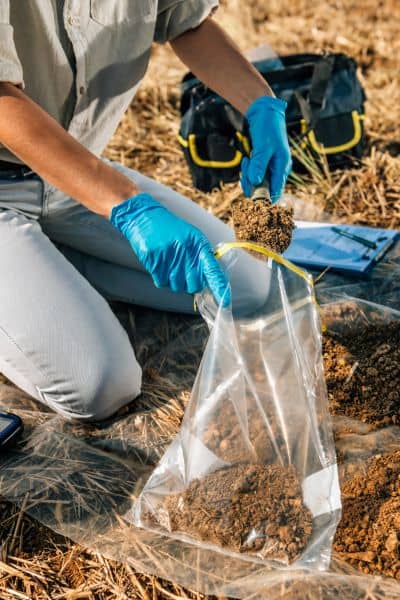
A failed perc test is not just a minor setback. It can completely derail a project. If your land does not drain well enough, the county health department will not sign off on a septic permit. Without that permit, you cannot move forward with construction.
Sometimes, an engineer can design an alternative septic system, but it usually costs much more. In other cases, the property may need extensive fill or re-grading before approval. Both options add weeks or months to the timeline and can break a budget.
Even if the test passes, approval delays happen when buyers wait too long to schedule it. Counties often face backlogs, especially after heavy rain. In Orlando and nearby areas, inspectors may take several weeks to process requests during peak building season. That delay can push back your entire project.
Connecting Perc Tests With Other Surveys
Think of a perc test as part of a bigger due diligence package. Just as you would not close on a property without a boundary survey or a property line survey, you should not overlook soil testing. In fact, combining them makes the process smoother.
For example, a land surveyor can flag low areas, wetlands, or drainage patterns that suggest a perc test could fail. A topographic survey can show where water collects and how the land slopes. Together, these details give you a clearer picture before you invest more money.
In Central Florida, surveyors and septic engineers often work side by side. Their combined input helps prevent surprises when you apply for permits.
When Should You Order a Perc Test?
The best time to order a perc test is early in the due diligence period. That means before design work, before loan approval, and ideally before you even close on the land. If the soil fails, you can walk away without losing your investment.
Many real estate contracts allow a window of time for inspections. Adding a perc test to this checklist is smart. Realtors and title agents often recommend ordering surveys during this stage. The same logic applies here: get the soil tested before you are locked into a purchase.
What Buyers Can Do to Avoid Delays
If you are looking at property, here are a few ways to keep things on track:
- Ask early – When you first see a lot you like, ask the seller if a perc test has been done recently.
- Hire local experts – A licensed land surveyor and a septic engineer know the local soil types, county rules, and permit process.
- Plan for the season – In the rainy months, testing and approvals take longer. Schedule early if you want to avoid delays.
- Stay realistic – Technology helps, but no tool replaces an in-ground test. Set expectations with your surveyor and engineer.
These simple steps save buyers from the same frustrations people often complain about online: late orders, reused reports, and surprise denials.
Turning Frustration Into Smart Planning
Buying land comes with many moving parts. From property surveys to elevation certificates, each step plays a role in building approval. Perc tests may seem like just another requirement, but they often make or break a project.
By ordering a perc test early, working with local experts, and combining it with other surveys, you can avoid costly surprises. What looks like an extra step now may save you thousands later—and keep your dream home on schedule.
So before you fall in love with a piece of land, remember: the soil must pass the test. Handle it early, and you will move from frustration to approval with far less stress.