When a bridge breaks and a city tells people to boil water, insurance paperwork is probably the last thing on your mind. But after this week’s flooding around Mount Dora and parts of Orlando, many homeowners are wondering: What does my flood elevation certificate have to do with my insurance?
The truth is—it matters a lot.
Your flood elevation certificate shows how high your home sits compared to the flood level that FEMA uses to measure risk. It’s what tells your insurance company how likely your house is to flood and how much you should pay. When storms like this happen, that small piece of paper can make a big difference in how your claim is handled and what your rates look like next year.
When Flooding Becomes a Wake-Up Call
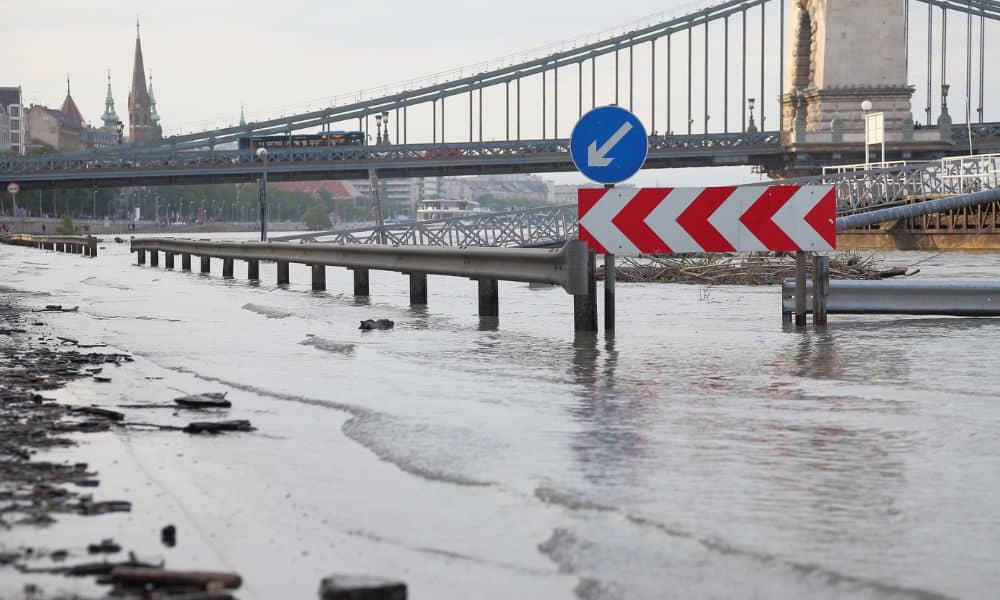
The Mount Dora bridge collapse and the city’s boil-water alert didn’t just close roads—they reminded everyone in Central Florida how fast a storm can turn serious. More than a foot of rain fell in some areas. Streets turned into rivers, driveways flooded, and even yards that never had problems before filled with water.
For homeowners, it’s not just about cleaning up. It’s about proving what happened—how high the water rose and how high your home really is. Insurance companies use that proof before they pay out claims or renew policies.
If your elevation certificate is old or missing, you might face delays or higher premiums when insurers check risk after the flood.
Why Elevation Data Counts After a Storm
Flooding changes the land. Water moves dirt, fills ditches, and shifts the way rain drains from one yard to another. A certificate made years ago may not match what your property looks like now.
Insurance companies look at three main numbers:
- Base flood elevation (BFE) — how high water could rise during a major flood.
- Lowest floor elevation — the height of your lowest floor above that flood level.
- Lowest adjacent grade — how the ground next to your home compares to that flood level.
If your home sits higher than the BFE, your flood risk is lower and your insurance costs less. But if storms or erosion lower the ground around your house, your risk and premiums go up. That’s why many Orlando homeowners will need updated data after this storm.
Inside the Insurance Review
After flooding, insurance adjusters compare your flood elevation certificate with what really happened. If the floodwaters reached or passed the level listed on your certificate, they may raise your risk rating.
If your certificate is outdated, it can look like your home is at higher risk even when it isn’t. That could mean slower claims or higher premiums.
Orlando also has a freeboard rule, which says new homes must be built at least one foot above FEMA’s flood level. If your property no longer meets that rule because of new flooding, you might need extra work before you can rebuild or make repairs.
Having an updated certificate saves time and avoids surprises later.
Real Stories From the Flood
After the Mount Dora bridge collapsed, local residents posted photos of flooded streets and yards. One homeowner said she’d never seen water that high. When she called her insurance company, the first thing they asked for was her elevation certificate.
That’s normal. After major floods, insurers need proof of risk. Without a current certificate, they use flood maps or satellite images, which can make your property look worse than it is.
Getting a new certificate helps show your true elevation—and can even lower your premium once the storm data is reviewed.
How Surveyors Help After Floods
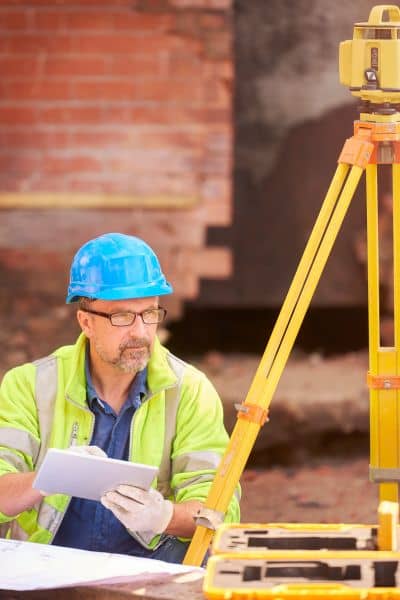
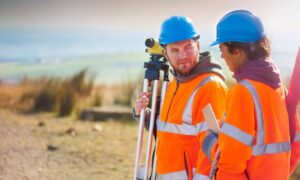
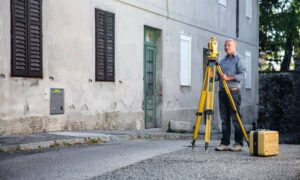
Once the water goes down, surveyors get to work. Their job is to measure your home’s height and check how the land changed. A licensed land surveyor can update your flood elevation certificate with accurate new data.
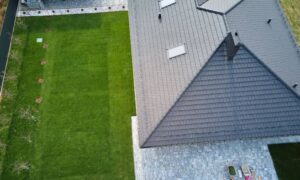
Many surveyors now use drone mapping to capture changes quickly. Drones can create 3D maps that help engineers, insurers, and homeowners see how much the land shifted during a flood.
That new information is powerful. It makes insurance claims smoother and ensures your property records are up to date for future storms.
Why Waiting Can Cost You
Some people wait until they get their next renewal notice before checking their certificate. That can be an expensive mistake.
If your insurer reviews new flood data and your elevation isn’t verified, they might raise your rate automatically. And if FEMA updates its flood maps to include more of Orlando or Mount Dora as high-risk zones, unverified properties may get stuck with higher premiums.
Updating your certificate early helps lock in accurate data and protect your home’s value.
How the Process Works
If your street flooded or came close, here’s what’s happening behind the scenes:
- Insurers review flood reports and figure out if your area’s risk has changed.
- FEMA studies how the storm behaved to see if new flood zones are needed.
- Surveyors collect the measurements that confirm those updates.
Your flood elevation certificate connects all those parts—it’s the proof everyone uses to make decisions.
Staying Calm and Taking Action
After a flood, it’s easy to feel overwhelmed. Start small. Check the date on your certificate. If it’s older than three years or issued before any major storms near your home, reach out to a local surveyor.
You don’t need to wait for your insurer to ask. Having an accurate certificate puts you in control. It helps you prove your property’s safety, keeps premiums fair, and speeds up recovery when the next storm arrives.
This week’s flooding showed that even strong communities like Orlando can face sudden damage. But paperwork done right can make recovery faster and easier.
Final Thoughts
The Mount Dora bridge failure and city boil-water alert showed how fragile infrastructure can be during big storms. While crews fix the damage, homeowners should take care of something equally important—making sure their flood records are correct.
A flood elevation certificate isn’t just another form. It’s your best tool for fair insurance and peace of mind.
Once the rain stops, step outside and take a look around. If your yard shows signs of high water, call a licensed Orlando land surveyor. Updating that single document now could save you stress, time, and money when the next flood hits.